The Creator Economy: How Creativity Became a Real Career Path
The Internet Changed Everything
For a long time, creativity was treated like something unstable. People were told that art should stay a hobby, that writing was risky, and that creative careers rarely led to financial security. Musicians, designers, photographers, filmmakers, and storytellers were often encouraged to find “real jobs” while pursuing their passions quietly on the side. The world respected creativity, but rarely trusted it as a reliable path for building a future.
Then the internet changed the rules.
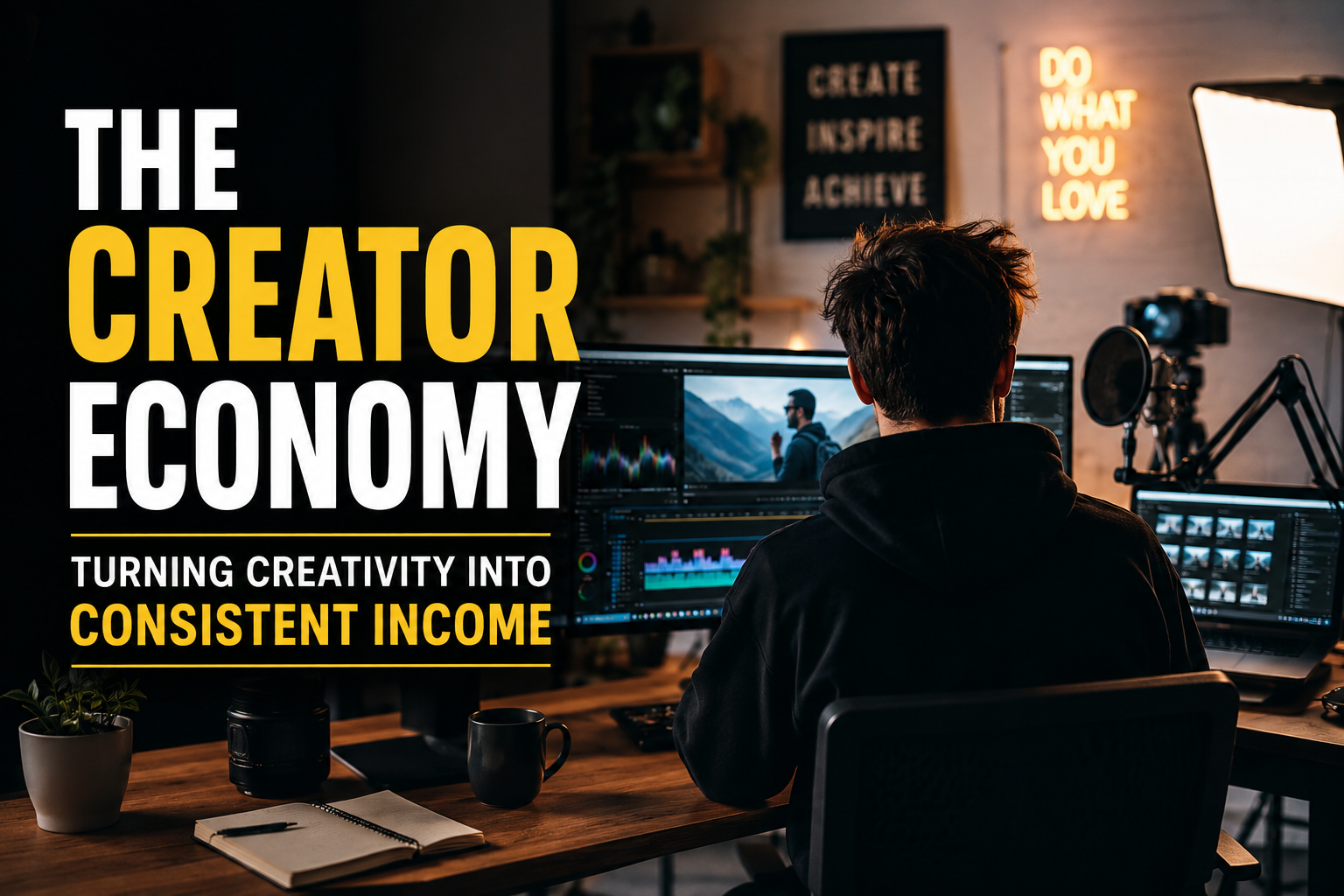
Over the last decade, a completely new type of economy quietly emerged online. Instead of relying on television networks, publishing companies, major studios, or traditional gatekeepers, ordinary people suddenly gained the ability to build audiences directly from their own ideas. A single person with a phone, a laptop, and consistency could now reach millions of people around the world without needing permission from anyone else. Creativity stopped being limited to institutions and became accessible to individuals.
This shift became known as the creator economy.
At first, many people dismissed it as temporary internet culture. Social media creators, YouTubers, streamers, podcasters, and digital artists were often viewed as lucky exceptions rather than part of a larger economic transformation. But over time, something became impossible to ignore. More people were building businesses from content, storytelling, education, entertainment, and digital communities than ever before. What once looked experimental slowly became one of the fastest-growing career paths in modern culture.
The creator economy is no longer simply about going viral online. It is about ownership. It is about people building value through creativity instead of relying entirely on traditional systems. That difference is important because it changed how millions of people think about work itself.
A New Definition of Modern Work
For many people, modern careers no longer feel as stable or fulfilling as they once did. Traditional jobs still matter, but more individuals are searching for flexibility, independence, and the ability to create something personal. The creator economy offers a different kind of opportunity. It allows people to turn knowledge, experiences, opinions, entertainment, education, and creativity into direct income while building communities around the things they genuinely care about.
What makes the creator economy especially powerful is that success is no longer limited to celebrities or massive corporations. Teachers can become creators. Designers can become creators. Writers, gamers, fitness coaches, photographers, filmmakers, musicians, and educators can all build audiences around their work. Even everyday life itself has become content in many ways. Some people document routines, ideas, conversations, or personal growth journeys and eventually build entire businesses from those experiences.
The internet removed many of the barriers that once controlled who could succeed creatively. Years ago, someone who wanted to become a filmmaker needed expensive equipment and industry connections. A writer needed a publisher. A musician needed a label. A television personality needed a network willing to take a chance on them. Today, someone can upload a video, launch a podcast, start a newsletter, or build an audience independently from almost anywhere in the world.
That accessibility changed the meaning of creative work.
Why Niches Matter More Than Ever
While the creator economy opened new doors, it also created new challenges. One of the biggest mistakes many new creators make is trying to appeal to everybody at once. The internet is already filled with endless content competing for attention every second of the day. The creators who usually grow the fastest tend to become recognizable for something specific before expanding into broader topics later.
Some creators focus on technology and innovation. Others focus on wellness, fashion, gaming, storytelling, productivity, travel, education, or finance. The niche gives creativity direction. It helps audiences understand what kind of value they can expect and why they should continue returning. People remember creators who feel focused because clarity builds trust over time.
The strongest creators often become recognizable long before they become famous.
Authenticity Became More Valuable Than Perfection
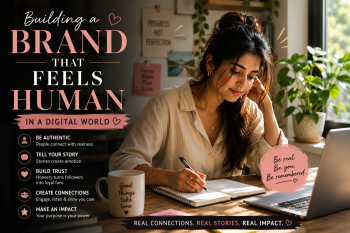
Another major shift inside the creator economy is the growing importance of authenticity. Years ago, internet success often revolved around perfection. Content felt heavily polished, carefully curated, and sometimes disconnected from reality. Today audiences increasingly connect with creators who feel honest, relatable, and human. Many successful creators built loyal audiences simply by documenting real experiences, struggles, lessons, failures, and growth instead of pretending to be flawless all the time.
That emotional connection matters more than many people realize. Audiences do not only follow content anymore. They follow personalities, perspectives, and people they trust. The strongest creators build communities, not just follower counts. A smaller audience filled with loyal supporters can often become far more valuable than millions of passive viewers who never truly connect with the person behind the content.
Trust became one of the most valuable currencies in the digital world.
The Smartest Creators Think Like Business Owners
As the creator economy evolved, many creators also realized that relying on one source of income online could become risky. Algorithms constantly change. Platforms rise and disappear. Trends move quickly. Audience behavior shifts overnight. Because of this, successful creators often build multiple income streams instead of depending entirely on ad revenue or sponsorships alone.
Some creators earn through digital products, memberships, affiliate marketing, online courses, consulting, podcasts, newsletters, or merchandise. Others combine freelancing with content creation while building audiences over time. The smartest creators eventually begin thinking like business owners instead of simply internet personalities. They understand that long-term stability comes from systems and relationships rather than temporary attention alone.
The goal is not simply becoming visible.
The goal is becoming sustainable.
The Pressure Behind Digital Success
Still, the creator economy is not always glamorous.
Behind the freedom and flexibility, there is also pressure. Constant posting can become exhausting. Comparison culture can slowly damage confidence. Creators sometimes feel trapped by algorithms that reward endless output and constant visibility. Burnout has become increasingly common because many people feel pressure to remain relevant at all times in an internet culture that moves incredibly fast.
That is why balance matters.
The healthiest creators eventually learn how to separate personal identity from performance metrics. Views, likes, engagement numbers, and followers may influence growth, but they should not completely define self-worth. The internet rewards visibility, but human beings still need rest, clarity, and real life outside the screen.
Success online means very little if mental health disappears in the process.
The Future of the Creator Economy
Looking ahead, the creator economy will likely continue growing as technology becomes even more integrated into everyday life. Artificial intelligence, immersive media, virtual creators, digital communities, and direct-to-audience platforms will continue reshaping how people work online. At the same time, audiences are becoming more selective about who they support. People increasingly value creators who feel thoughtful, trustworthy, creative, and authentic instead of simply loud or attention-seeking.
That shift may become one of the most important parts of the creator economy moving forward.
Because in the end, technology gives people platforms, but human connection is still what builds lasting influence. The creator economy is not simply about content creation or internet fame. It is about people building value through creativity, trust, consistency, and community in a digital world that continues evolving every single day.