Fintech, Fast Approvals, and Why Freezing Your Credit Matters
Recent discussion around the so-called “Klarna glitch” points to a much larger issue that many people are missing.
Platforms like Klarna are fintech companies. They blend finance and software to approve transactions in seconds. That speed is convenient — but it also introduces real risk.
Where the Weak Points Actually Exist
When approvals are fast and automated, decisions are made primarily by code and models rather than humans. That creates multiple pressure points, both at the policy level and inside the software itself.
Weak points can include automated decision logic optimized for speed and conversion, identity-verification systems that rely on minimum data thresholds, timing windows where authorization happens before settlement or deeper review, and risk-scoring models that are only as reliable as the data being fed into them.
If bad or stolen data passes those checks, the system can move forward before problems are detected.
This Isn’t “Free Money”
What people online call a “glitch” is almost never a broken system. It’s usually fraud, identity misuse, or exploitation of timing gaps.
Fintech platforms track transactions end-to-end. Accountability almost always comes later — sometimes months later — when chargebacks, reversals, or investigations catch up.
Speed doesn’t remove responsibility. It only delays the consequences.
Why Freezing Your Credit Is Non-Negotiable
If you are not actively applying for credit, your credit reports should be frozen.
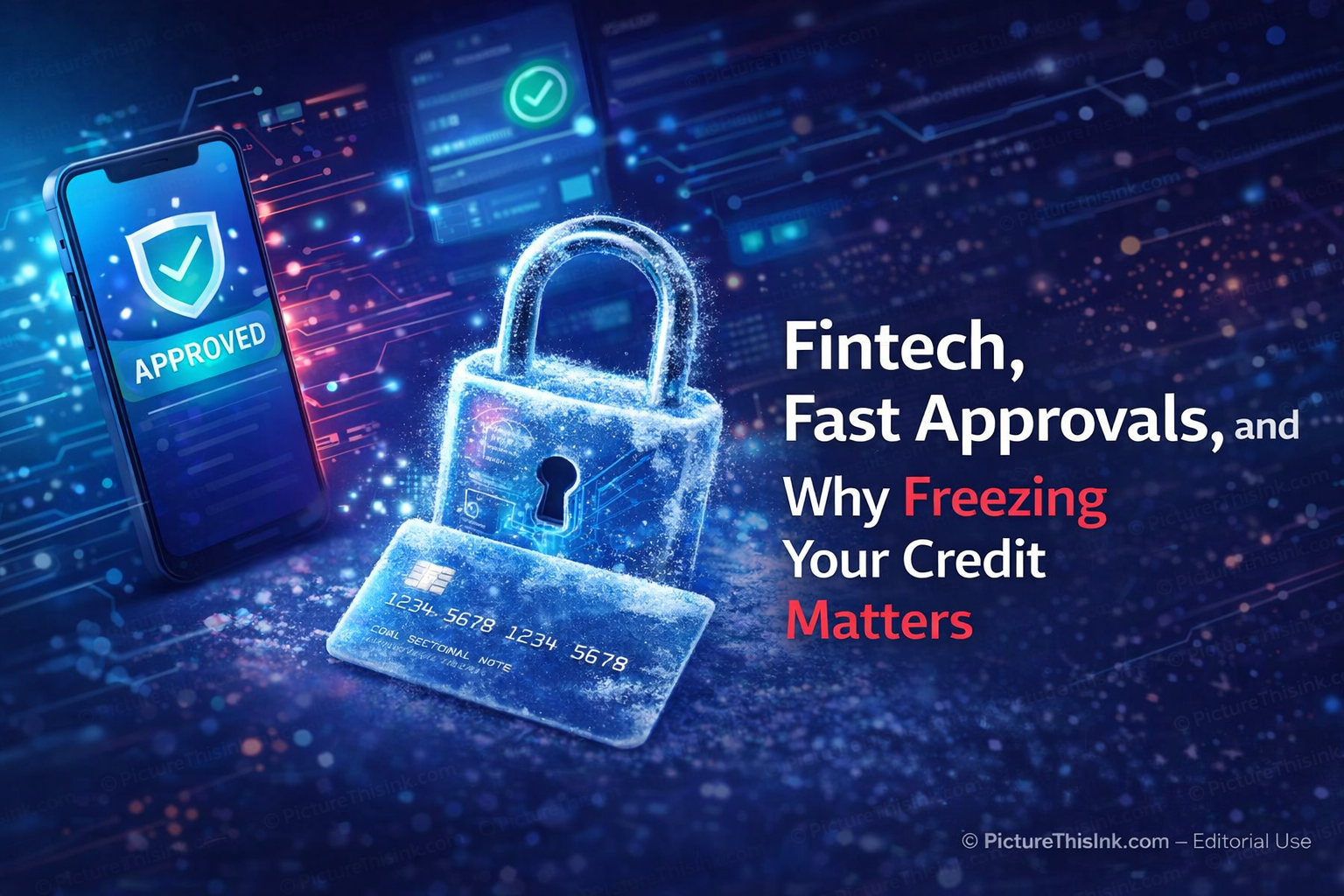
A credit freeze prevents new accounts from being opened in your name, blocks unauthorized fintech approvals at the source, costs nothing, can be lifted at any time, and overrides speed-based approvals even when systems are functioning exactly as designed.
This is one of the few consumer protections that works before damage occurs, not after.
My Perspective
Fintech moves fast by design. That means your personal data becomes more valuable — and more exposed.
If that data is ever breached, the risk does not sit with the platform. It sits with you unless you have locked things down. Convenience benefits companies. Security protects individuals.
Best Practice
Freeze your credit with Experian, Equifax, and TransUnion.
Unfreeze only when you are actively applying for credit, then refreeze immediately afterward.
Convenience should never come at the cost of security.
Protect your identity first — always.