AI as a Mirror: What My Chatbot Taught Me About Empathy
The Internet Is Becoming Emotionally Aware
For years, technology was built around speed. Faster apps, faster searches, faster communication, faster automation, and faster digital experiences shaped nearly every platform people use daily. Modern technology competed to remove friction from life while making users more connected, more productive, and more dependent on screens than ever before.
Efficiency became the defining goal of the digital era.
But something important quietly disappeared along the way.
Human feeling.
People began spending enormous portions of their lives inside digital environments that worked perfectly while still feeling emotionally exhausting. Customer support systems sounded cold. Automated responses felt empty. Algorithms optimized engagement without understanding emotional impact. Social platforms amplified reaction faster than reflection.
Technology became intelligent.
But it did not always feel understanding.
That is where the conversation surrounding artificial intelligence is beginning to change.
Artificial Intelligence Is No Longer Just About Answers
The first generation of AI systems focused almost entirely on capability. Could machines respond quickly, organize information, automate tasks, improve efficiency, and replace repetitive work? Those questions shaped the early AI race and defined how most companies approached digital innovation.
But the next stage of artificial intelligence is becoming far more emotional and psychologically aware.
Technology companies are beginning to realize that people do not only judge digital experiences by how well they function. People also judge them by how those systems make them feel emotionally during moments of stress, uncertainty, confusion, or vulnerability.
That realization is transforming everything from customer support systems to education platforms, wellness apps, productivity software, smart assistants, healthcare technology, and communication tools.
Artificial intelligence is increasingly being designed to recognize frustration, hesitation, emotional tone, confusion, and conversational nuance instead of simply responding mechanically to commands.
The future of AI may depend less on sounding intelligent and more on feeling emotionally aware.
The Most Powerful Technology May Become the Most Human
One of the strangest realities of modern technology is that the more digital life expands, the more people crave emotional softness inside it.
People are exhausted.
Exhausted by endless notifications. Exhausted by online hostility. Exhausted by algorithmic pressure. Exhausted by platforms constantly competing for attention, outrage, and emotional reaction.
Many online environments now feel emotionally louder than the real world itself.
That fatigue is reshaping how people respond to technology.
Users increasingly gravitate toward systems that feel calmer, cleaner, more thoughtful, and emotionally respectful. Digital experiences that reduce anxiety are becoming more valuable than systems that simply maximize engagement.
This is why emotional design is becoming such an important conversation across modern technology culture.
People no longer want platforms that only demand attention.
They want systems that understand emotional experience too.
Technology Is Quietly Learning Human Behavior
Artificial intelligence systems are trained through human language, emotional tone, conversation patterns, and behavioral data collected across enormous digital ecosystems.
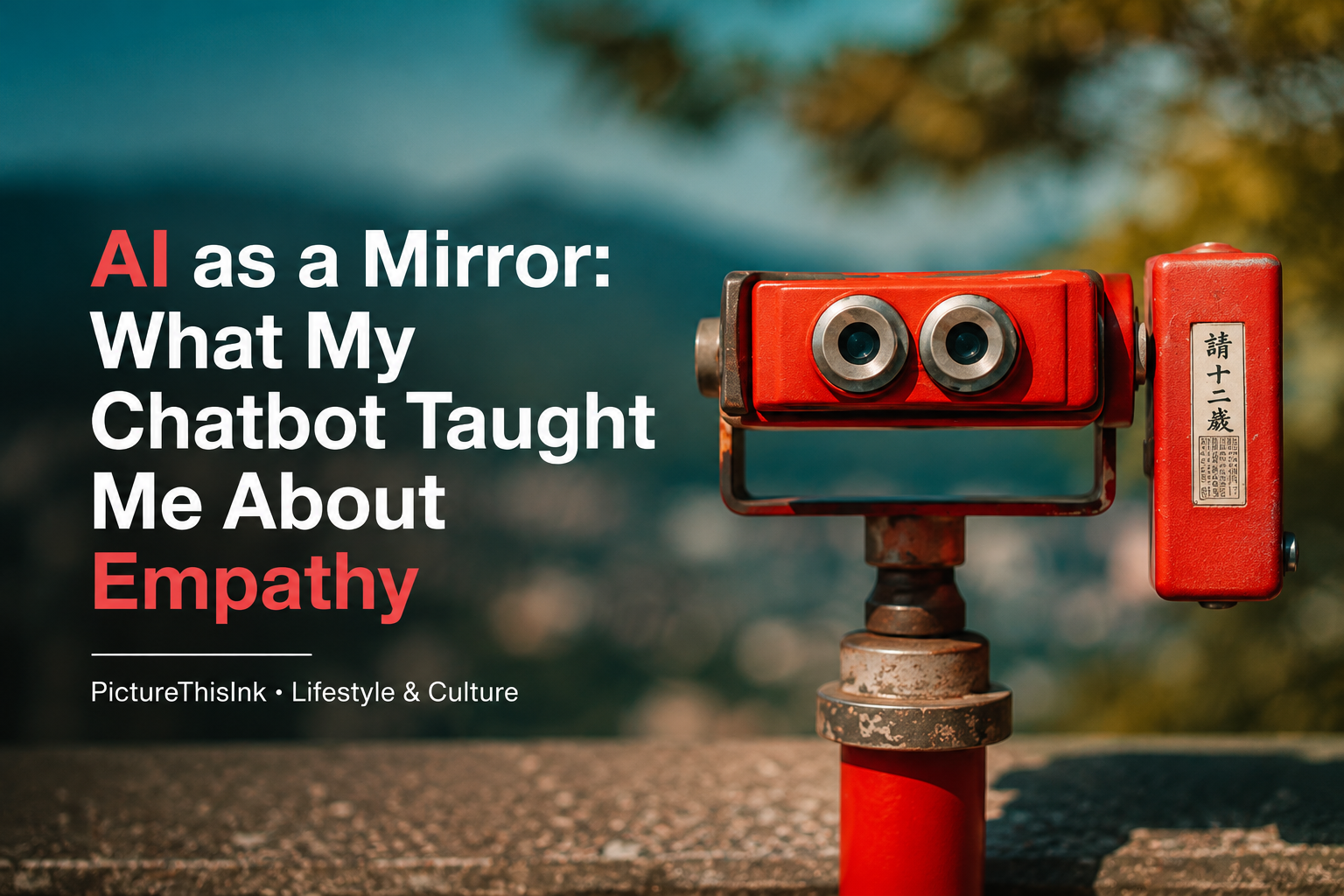
In many ways, AI is becoming a mirror reflecting humanity back to itself.
That reflection can feel uncomfortable.
If online culture becomes impatient, hostile, manipulative, or emotionally detached, technology often amplifies those behaviors at scale. But when systems are intentionally designed around empathy, patience, clarity, and emotional awareness, digital experiences can begin reinforcing healthier communication patterns instead.
That creates a fascinating paradox.
Artificial intelligence is not simply teaching machines how humans communicate.
It is forcing humans to examine how they communicate with each other in the first place.
The smarter digital systems become, the more obvious human behavior becomes inside them.
Empathy Is Becoming a Design Language
The idea of empathy inside technology once sounded futuristic.
Now it is becoming part of modern product strategy itself.
Technology companies are increasingly discussing concepts like emotional UX, mindful interface design, digital wellness, affective computing, and human-centered AI systems designed around emotional experience instead of pure efficiency.
The goal is not turning machines into people.
The goal is designing systems that reduce emotional friction instead of increasing it.
That shift is visible everywhere.
Messaging platforms now encourage users to rethink aggressive replies before sending them. Mental wellness reminders are appearing inside productivity apps. Smart assistants sound more conversational and less robotic. AI-generated responses are increasingly optimized for emotional clarity instead of purely informational output.
The digital world is slowly realizing something surprisingly human.
People remember how technology makes them feel.
And emotional experience influences trust just as much as functionality does.
Artificial Intelligence Cannot Replace Human Perspective
Artificial intelligence can generate text, summarize information, automate workflows, analyze patterns, and process enormous amounts of data faster than humans ever could.
But technology still depends on human judgment.
Humans decide what deserves empathy. Humans decide what values matter. Humans decide how systems should emotionally treat people. Humans decide what kind of culture digital platforms reinforce.
That human layer remains irreplaceable because technology itself reflects the priorities of the people building it.
AI can imitate tone.
But humans still define meaning.
That distinction matters more now than ever before because society is entering a moment where emotional intelligence may become just as important as technical intelligence itself.
The Future of Digital Culture Will Feel Different
For years, internet culture rewarded speed, outrage, reaction, overstimulation, and constant emotional noise.
Now many people are searching for the opposite.
Calmer platforms. Cleaner experiences. More intentional communication. Healthier digital environments. Technology that supports human well-being instead of constantly competing for attention.
That shift may reshape the future of digital culture entirely.
The next generation of successful technology may not simply be the most advanced.
It may be the technology that understands emotional balance best.
Because in a world increasingly shaped by artificial intelligence, emotional trust may become one of the most valuable forms of infrastructure modern technology can build.
The PictureThisInk Perspective
At PictureThisInk, technology is viewed not only as innovation, but as reflection.
Artificial intelligence is not simply changing software, automation, or productivity. It is changing how people think about communication, empathy, emotional awareness, trust, and digital life itself.
The systems shaping the future are no longer only technical systems.
They are emotional environments too.
Every algorithm, interface, platform, assistant, and AI interaction quietly influences how people feel while moving through modern life.
That responsibility matters.
Because the future of technology may ultimately depend less on whether machines can think like humans and more on whether humans choose to build technology that remembers what humanity feels like in the first place.
Closing Reflection
The conversation surrounding artificial intelligence often focuses on power. Faster systems, smarter automation, more advanced capabilities, and greater efficiency dominate most headlines surrounding the future of technology.
But another conversation is emerging underneath all of it.
A quieter conversation.
A more human conversation.
As digital systems become more intelligent, people are beginning to realize intelligence alone is not enough. Technology also shapes emotion, behavior, communication, attention, trust, and the emotional atmosphere surrounding modern life itself.
That means the future of artificial intelligence may not simply depend on how advanced machines become.
It may depend on how intentionally humans choose to design the emotional world surrounding them.