The Future of Everyday Life Is Being Built by Independent Inventors
A Different Kind of Future Is Emerging
For years, people imagined the future arriving through giant corporations, billion-dollar laboratories, and massive technology companies unveiling polished inventions beneath flashing lights and carefully scripted presentations. The assumption was always the same. The next world-changing innovation would come from somewhere large, powerful, and financially untouchable.
But something unexpected is happening.
The future is becoming smaller, more personal, and surprisingly human.
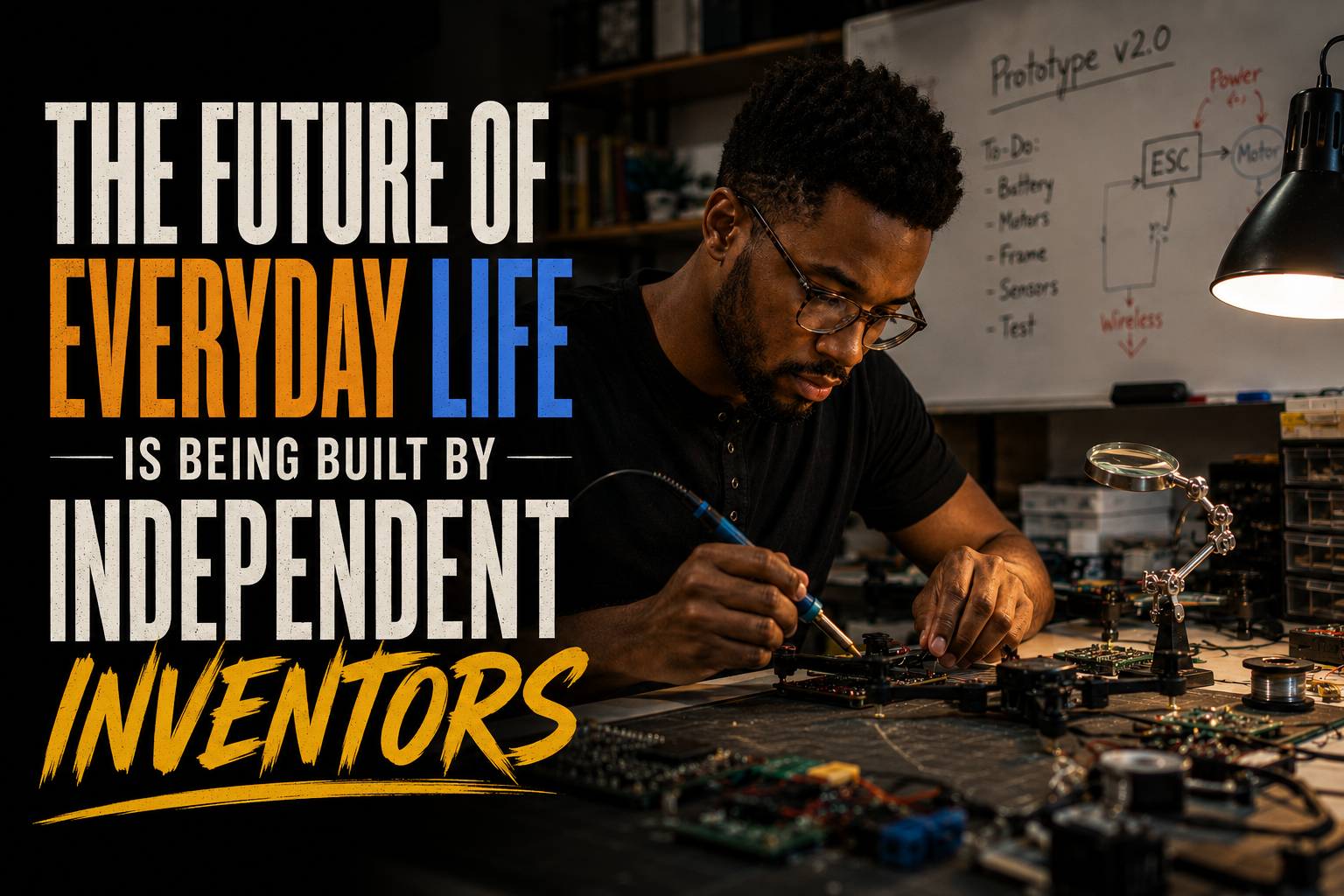
Some of the most interesting inventions shaping modern life are no longer coming only from giant corporations. They are being created by independent inventors, small startup teams, late-night creators, designers, and ambitious thinkers building products from apartments, workshops, garages, and crowdfunding platforms filled with ideas that feel strangely ahead of their time.
That shift is not just technological.
It is cultural.
Technology is no longer evolving only to become faster or more powerful. It is evolving to become more thoughtful, more emotional, more adaptive, and more connected to everyday human experiences. The future is quietly moving away from cold machinery and toward technology that understands how people actually live.
That is changing everything.
The Rise of Human-Centered Technology
For decades, technology companies focused heavily on speed, performance, and scale. Every new generation of products promised larger displays, faster processors, thinner hardware, stronger batteries, and more aggressive innovation cycles designed to dominate the market.
Today, people want something different.
Modern consumers are increasingly drawn toward technology that improves how life feels instead of simply improving technical specifications. They want products that reduce stress, simplify routines, support creativity, improve sleep, strengthen focus, encourage wellness, and create healthier relationships with the digital world around them.
That demand is reshaping innovation itself.
People are no longer impressed by technology alone.
They are impressed by thoughtful technology.
This is one of the biggest reasons independent inventors are gaining attention. Smaller creators are often closer to real human problems than giant corporations focused entirely on mass-market competition. Independent inventors tend to create products inspired by personal frustration, emotional experiences, everyday inconveniences, or moments in life they genuinely want to improve.
That emotional connection often leads to inventions that feel surprisingly relatable.
The future of innovation is becoming more human because people themselves are demanding more humanity from technology.
Why Crowdfunding Platforms Became Windows Into the Future
Platforms like Indiegogo and Kickstarter have quietly evolved into something far more important than simple fundraising websites.
They have become previews of the future.
Every day, inventors upload ideas that range from strange to ambitious to genuinely brilliant. Some products fail completely, while others evolve into major companies that reshape entire industries. But together, they reveal something incredibly important about where society is heading next.
People are actively searching for technology that fits naturally into everyday life instead of overwhelming it.
That is why modern crowdfunding trends increasingly focus on wearable wellness devices, portable technology, creator tools, smart home products, minimalist accessories, sleep-improvement systems, emotional wellness technology, AI-powered assistants, productivity devices, and inventions designed to make modern life feel less chaotic.
The products gaining the most attention today are usually not the loudest.
They are the most useful emotionally.
People want technology that helps them sleep better, focus longer, feel calmer, communicate more easily, create more freely, and manage daily life without feeling consumed by digital overload.
That emotional practicality is becoming one of the defining trends of modern innovation.
Technology Is Becoming More Invisible
One of the most fascinating changes happening right now is that the best technology is becoming less noticeable.
For years, innovation focused on products designed to demand attention. Devices became brighter, louder, larger, and more aggressive in the way they competed for human focus. Notifications became endless. Screens became unavoidable. The digital world slowly evolved into a constant battle for attention.
Now many inventors are moving in the opposite direction.
The next generation of technology is becoming quieter, cleaner, calmer, and more seamlessly integrated into everyday routines. Smart rings, adaptive lighting systems, wearable wellness tools, AI assistants, portable workspace devices, and emotionally aware technology are increasingly designed to blend naturally into life instead of interrupting it.
The goal is no longer constant interaction.
The goal is harmony.
That shift matters because people are emotionally exhausted. Constant digital stimulation created a growing desire for products that feel supportive instead of demanding. Consumers increasingly want technology that helps them feel balanced rather than distracted.
Technology is evolving from something people stare at into something people live with.
That is a massive cultural change.
Independent Creators Are Reshaping Innovation
Another major reason independent inventors are thriving is because the internet changed how products are discovered.
Years ago, inventors needed giant advertising budgets, retail partnerships, and corporate backing just to gain visibility. Today, a single video can introduce an invention to millions of people overnight. Independent creators can now build audiences directly through storytelling, social media, online communities, and authentic branding without waiting for approval from traditional gatekeepers.
That accessibility opened the door for a completely different generation of innovators.
Modern creators are no longer waiting for permission to build the future.
They are creating it themselves.
Designers are launching emotionally driven products. Developers are building wellness-focused tools. Artists are creating technology inspired by creativity, self-expression, and mental wellbeing rather than corporate trends alone.
This is producing a wave of innovation that feels far more personal than previous generations of technology.
Consumers are responding to that authenticity because people increasingly want products created by humans who genuinely understand the problems they are trying to solve.
That emotional sincerity is becoming incredibly valuable.
The Future of Technology Is Emotional
One of the most important shifts happening inside modern innovation is the rise of emotional technology.
Technology is beginning to respond not only to commands but also to human needs, routines, behaviors, stress levels, emotions, and mental wellbeing. Wellness wearables monitor stress and recovery. Smart lighting adjusts based on sleep patterns and mood. AI-powered tools are increasingly designed to reduce anxiety, improve productivity, and create healthier digital experiences.
This represents a major turning point.
For decades, technology focused almost entirely on efficiency.
Now it is beginning to focus on wellbeing.
That shift matters because modern consumers are overwhelmed. Endless notifications, nonstop information, constant connectivity, algorithmic pressure, and digital burnout created a growing demand for products that feel emotionally supportive instead of emotionally draining.
The companies and inventors capable of creating technology that feels calm, intuitive, and human may ultimately shape the next generation of innovation more than anyone else.
That may become one of the most valuable ideas in the entire technology industry.
Small Inventors Are Quietly Changing Everyday Life
Some of the most important ideas shaping tomorrow may never come from giant corporations at all.
They may come from a designer trying to simplify creative work. They may come from a developer building tools focused on mental wellness. They may come from an inventor searching for a better way to sleep, communicate, focus, travel, or connect with other people in an increasingly overwhelming world.
That is what makes this era of innovation so fascinating.
The future is becoming decentralized.
Independent inventors are no longer hidden behind massive corporations because digital platforms now allow creativity and innovation to spread globally within hours. A single thoughtful idea can reach millions of people almost instantly if it resonates emotionally.
And increasingly, the inventions people care about most are the ones that improve how life feels instead of simply showing off technological power.
That shift says a lot about where society is heading next.
The Future Will Feel More Human
For decades, people imagined the future as cold, mechanical, and emotionally distant.
But the future arriving now feels surprisingly personal.
It looks like wearable wellness devices helping people manage stress. It looks like adaptive technology helping people sleep better. It looks like creators building tools that make imagination easier to share. It looks like independent inventors solving everyday problems in thoughtful ways large corporations often overlook.
The future is no longer just about machines.
It is about experience.
It is about balance.
It is about technology finally adapting itself to human needs instead of forcing humans to constantly adapt to technology.
And in many ways, the next great invention may not come from a billion-dollar company at all.
It may come from an ordinary person sitting awake late at night, building something they hope makes life feel just a little more human.