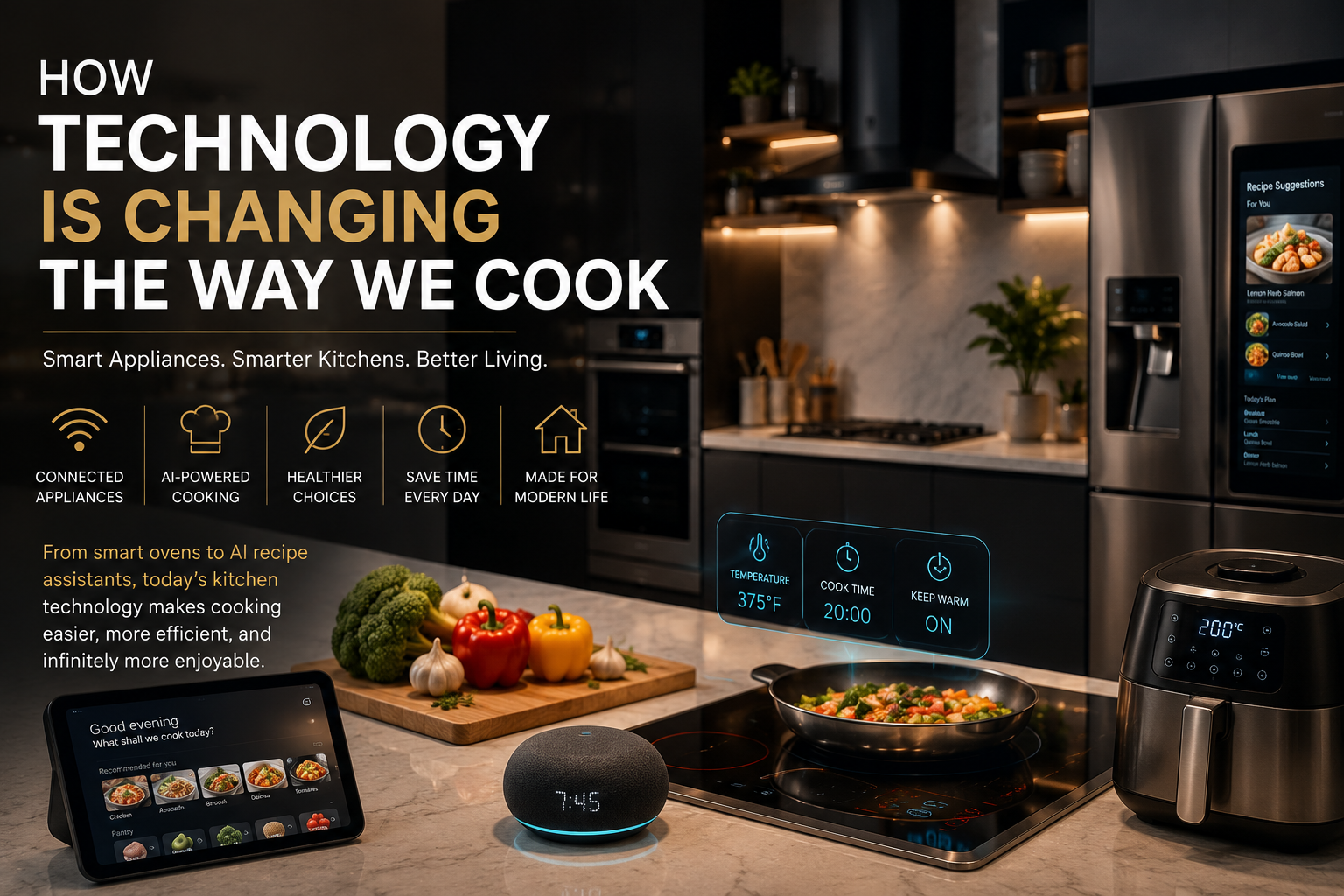
How Technology Is Changing the Modern Kitchen
The Kitchen Is Becoming Smarter
The modern kitchen no longer looks like it did a decade ago.
Cooking once depended almost entirely on manual timing, guesswork, handwritten recipes, and traditional appliances that performed only one task at a time. Preparing meals often required constant attention, patience, experience, and hours of cleanup afterward.
Technology is changing that.
Today’s kitchens are becoming intelligent spaces powered by smart appliances, connected devices, automation, and AI-assisted tools designed to simplify cooking while improving precision, convenience, and consistency.
The kitchen is no longer just a room for preparing food.
It is becoming part of the connected lifestyle shaping modern homes.
Cooking Is Becoming More Efficient
One of the biggest ways technology is changing kitchens is through efficiency.
Modern appliances are designed to save time while reducing stress during meal preparation. Multi-function devices now combine the roles of pressure cookers, air fryers, slow cookers, steamers, and ovens into single systems capable of handling multiple tasks simultaneously.
Instead of managing several appliances at once, many households now rely on fewer devices capable of doing far more.
That shift matters because modern lifestyles are increasingly fast-paced. Families balance work schedules, remote meetings, school activities, fitness routines, travel, and digital distractions throughout the day.
People want technology that helps simplify life without sacrificing quality.
Smart kitchen devices are increasingly filling that role.
Smart Appliances Are Learning Human Habits
Many modern kitchen appliances are no longer passive machines.
They are becoming adaptive systems capable of learning routines, adjusting settings automatically, and integrating into connected home ecosystems.
Smart ovens can now recognize food types and recommend cooking temperatures automatically. Refrigerators monitor expiration dates and inventory levels. Coffee machines schedule brewing routines around sleep schedules and morning habits. Connected cooking systems allow users to monitor meals remotely through mobile apps while away from the kitchen.
Some devices now integrate voice assistants directly into cooking experiences, allowing people to control timers, temperatures, recipes, lighting, and music hands-free while preparing meals.
The kitchen is quietly becoming one of the most technologically advanced spaces inside the modern home.
Artificial Intelligence Is Entering the Kitchen
Artificial intelligence is beginning to reshape cooking in surprisingly practical ways.
AI-powered kitchen devices can now recommend recipes based on ingredients already available at home. Smart ovens analyze cooking patterns to improve consistency. Connected meal systems adjust portions automatically based on dietary preferences, calorie goals, or family size.
Some modern cooking platforms even provide guided step-by-step assistance in real time, helping inexperienced cooks feel more confident while preparing meals.
This shift reflects something larger happening across consumer technology.
People no longer only want devices that function.
They want systems that assist.
That distinction is changing how technology fits into everyday life.
Technology Is Changing the Way People Experience Food
Modern kitchen technology is not only about speed.
It is also changing the emotional experience surrounding cooking itself.
For many people, cooking once felt stressful, time-consuming, or intimidating. Smart devices are helping reduce that pressure by simplifying preparation, improving accuracy, and making meals feel more manageable during busy routines.
Air fryers reduce cleanup. Smart thermometers eliminate overcooking anxiety. Connected timers improve coordination. Precision appliances make recipes more repeatable and less dependent on experience alone.
Technology is helping more people feel comfortable inside the kitchen again.
That matters because food has always been connected to lifestyle, family, culture, and personal well-being.
The kitchen is not simply functional.
It is emotional too.
The Rise of Wellness Cooking
Another major shift happening inside modern kitchens is the connection between technology and wellness.
People are becoming more intentional about nutrition, ingredients, meal preparation, portion control, hydration, and overall health awareness.
Technology is increasingly supporting those goals.
Smart blenders track nutritional information. Connected scales calculate measurements precisely. AI-powered recipe systems recommend healthier alternatives automatically. Smart water systems monitor hydration habits throughout the day.
Cooking technology is evolving alongside the larger wellness movement shaping modern culture.
Consumers no longer only want convenience.
They want balance.
That shift is influencing everything from kitchen design to appliance innovation.
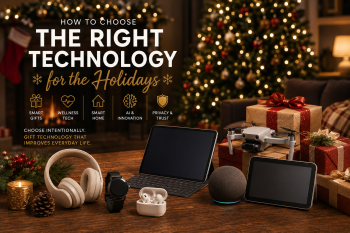
Choosing the Right Kitchen Technology Matters
With so many devices entering the market, consumers are becoming more selective about what actually deserves space inside their homes.
Not every smart appliance improves daily life in meaningful ways.
Some products create convenience.
Others create clutter.
The best kitchen technology usually solves a genuine problem while fitting naturally into everyday routines.
For some households, that might mean a multi-function cooking device that reduces preparation time. For others, it may mean connected wellness appliances, precision coffee systems, or smart storage technology designed to simplify organization.
The smartest purchases are often the devices people continue using consistently long after the excitement of unboxing fades away.
Technology becomes valuable when it improves experience naturally instead of constantly demanding attention.
The Future Kitchen Is Becoming Connected
Smart kitchen devices are becoming part of larger connected home ecosystems designed around convenience and personalization.
The future kitchen may eventually operate less like a collection of separate appliances and more like a fully connected environment where devices communicate seamlessly with each other behind the scenes.
Lighting, appliances, grocery management, wellness tracking, and meal preparation may all become integrated into unified digital systems designed around everyday living.
That transformation is already beginning quietly inside homes around the world.
The PictureThisInk Perspective
At PictureThisInk, technology is viewed not only as innovation, but as lifestyle.
The evolution of modern kitchens reflects something much larger happening across society. Technology is no longer limited to offices, smartphones, or entertainment systems alone.
It is becoming woven directly into everyday routines, habits, wellness, creativity, and home life itself.
The smartest innovations are not always the loudest.
Often, they are the ones quietly making daily life feel smoother, calmer, and more manageable.
That is exactly what modern kitchen technology is beginning to do.
Closing Reflection
Cooking is changing.
The modern kitchen is becoming smarter, more connected, more efficient, and increasingly personalized through technology designed around real everyday living.
People are no longer simply buying appliances.
They are building experiences.
The future of cooking may depend less on complexity and more on how intelligently technology supports comfort, creativity, wellness, and convenience inside the spaces people use most.
And as kitchens continue evolving into connected environments, one thing is becoming clear.
Technology is no longer only changing how people work.
It is changing how people live at home too.