The End of an Era: PlayStation Is Ending Physical Game Releases in 2028
A Generation of Gaming Is About to Change Forever
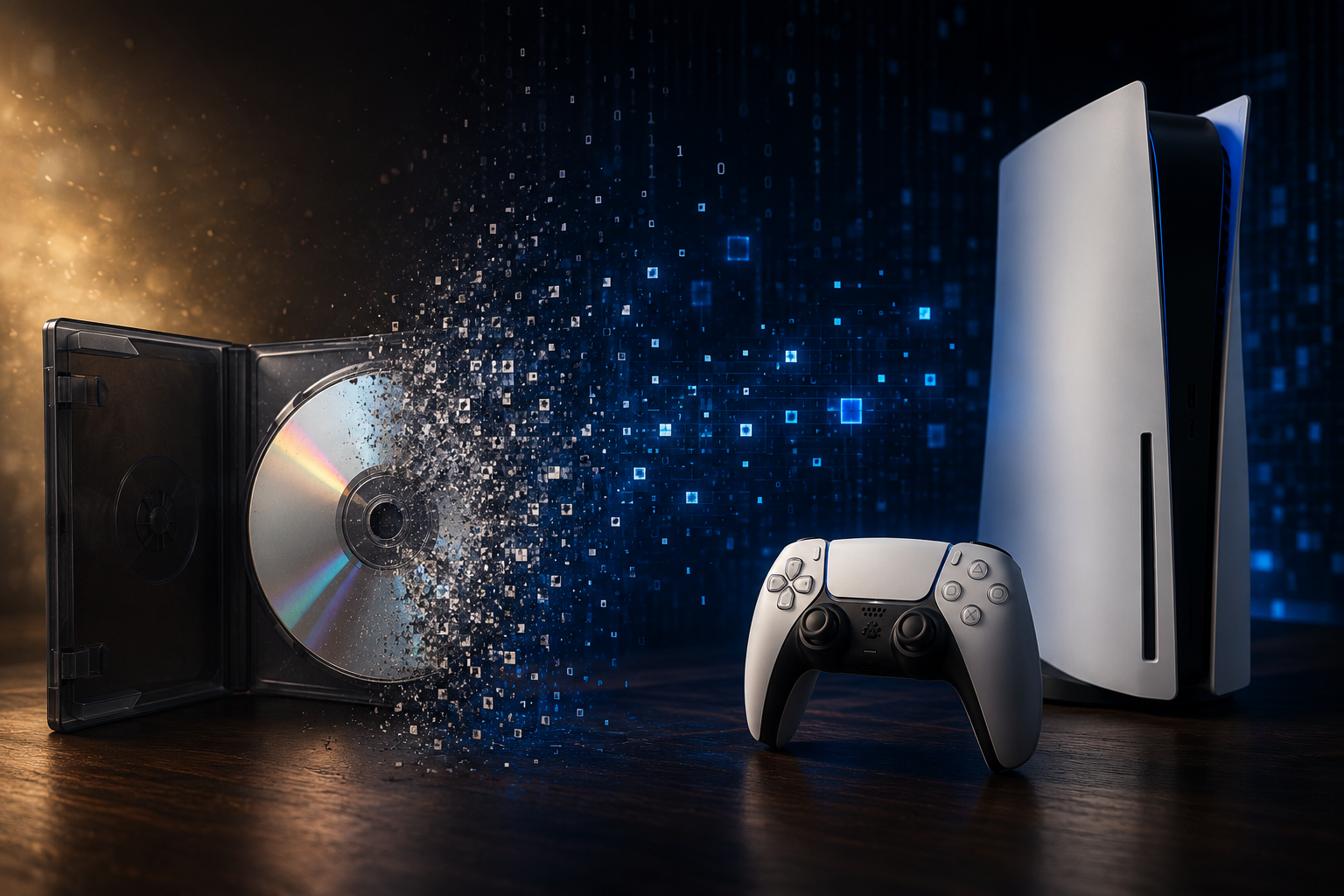
For millions of gamers around the world, buying a PlayStation game has always been about more than simply making a purchase. It was the excitement of walking into a store on release day, searching the shelves for the newest title, opening a brand-new case, admiring the cover art, and hearing the familiar click as the disc slid into the console. Those moments became part of gaming culture, creating memories that lasted just as long as the adventures found inside the games themselves. Beginning in January 2028, however, Sony says that new PlayStation game releases will no longer be produced on physical discs, marking one of the most significant changes in the company's history. While existing physical games will continue to work, future releases will be distributed digitally. For some players, the announcement represents progress and convenience. For others, it feels like the closing of one of gaming's most recognizable chapters.
The Shift to Digital Didn't Happen Overnight
Although the news has surprised many gamers, the industry has been moving toward digital distribution for years. High-speed internet, cloud storage, automatic updates, and digital storefronts have transformed the way people buy and play games. Today, millions of players simply purchase a game online, preload it before launch, and begin playing the moment it unlocks without ever leaving home. Digital distribution has also become more attractive for publishers because it reduces manufacturing costs, eliminates shipping expenses, and allows games to launch worldwide at exactly the same time. From a business perspective, the transition makes perfect sense. Digital sales have steadily increased while physical sales have declined, making the decision appear less like a sudden change and more like the next step in an ongoing evolution.
Digital Gaming Offers Real Benefits
There are many reasons why digital gaming has become so popular. Players no longer have to worry about scratched discs refusing to load, cracked game cases, missing cartridges, or replacing a favorite title after it has been damaged or lost. Entire libraries can be organized on a single console, purchases happen instantly, and switching between games takes only a few seconds. There is no waiting for shipping, no concern about local stores running out of copies, and no need to store hundreds of physical cases throughout the house. For many gamers, especially those who have already built large digital libraries, these conveniences outweigh nearly every advantage that physical media once offered. It is easy to understand why digital gaming has become the preferred choice for millions of players.
But Every Convenience Comes With a Trade-Off
Technology often solves one problem while creating another. Physical discs certainly had disadvantages, but they also gave players something tangible. A game could be displayed on a shelf, loaned to a friend, traded toward another purchase, sold after completion, or kept for decades as part of a personal collection. Digital libraries replace shelves filled with memories with icons on a screen. While that may seem like a small difference, many longtime gamers believe it changes the relationship between players and the games they buy. The conversation is no longer about whether downloading games is easier than inserting a disc. Instead, it has become a discussion about what consumers gain through convenience and what they give up in return.
What Does Ownership Really Mean?
Perhaps the biggest question surrounding Sony's decision has nothing to do with plastic discs at all. It has to do with ownership. When you purchased a physical PlayStation game, you owned a copy that remained yours regardless of whether retailers continued selling it. You could revisit it years later, lend it to a friend, display it proudly on a shelf, or preserve it for future generations. Digital purchases work differently. In most cases, players purchase a license to access a game through their PlayStation account rather than owning a physical copy. As long as the platform continues supporting that purchase under its policies, players can typically continue downloading and playing it. However, digital storefronts evolve, licensing agreements change, some games are removed from sale, and online services eventually come to an end. That reality raises an important question for the future. If a game is discontinued, online services shut down, or platform support eventually ends years from now, what does ownership really mean? There may never be a single answer, but it is a question that will become increasingly important as gaming continues moving toward an all-digital future.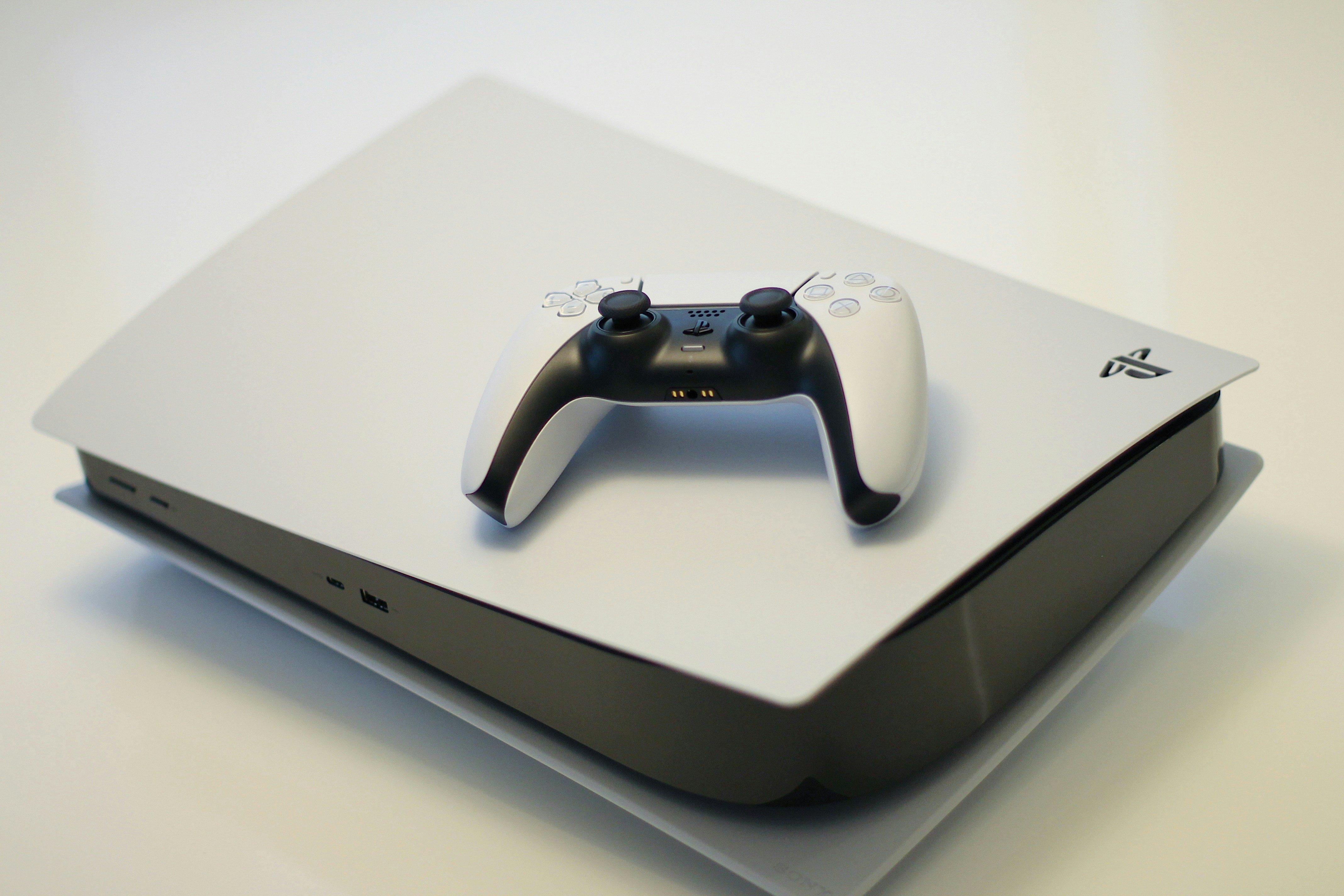
Collectors Are Saying Goodbye to More Than Just Discs
For collectors, Sony's announcement carries an emotional impact that extends well beyond nostalgia. Special editions, steelbook cases, printed manuals, collector's boxes, artwork, and display shelves have always been part of gaming culture. Every game on a shelf tells a story about a favorite adventure, a midnight launch, a birthday gift, or a memorable weekend spent playing with friends. Digital libraries are undeniably convenient, but they cannot recreate the feeling of watching a collection grow over the course of many years. When new physical PlayStation releases come to an end, today's collections will become historical snapshots rather than libraries that continue expanding with every major release.
Gaming Will Depend Even More on Internet Access
Moving to digital-only releases also makes reliable internet service more important than ever before. Instead of inserting a disc and installing much of the game locally, players will first need to download their purchases from the PlayStation Store. Modern games frequently exceed 100 gigabytes, making download speeds an important part of the gaming experience. Even after installation, internet access often remains necessary for downloading patches, installing updates, accessing multiplayer modes, synchronizing cloud saves, verifying licenses, or downloading future content. Some games can certainly be played offline after installation, while others require an internet connection for certain features—or even to play at all. For players with fast broadband, this transition may feel effortless. For others living in areas with slower internet service or data caps, digital-only gaming could present new challenges that physical discs largely avoided.
The Used Game Market Could Change Forever
One advantage of physical games has always been flexibility. Players could compare prices between retailers, purchase used copies at discounted prices, trade completed games toward new releases, or lend games to friends and family. These options gave consumers greater control over how they spent their money while encouraging competition between retailers. Digital-only gaming changes that equation. Although online stores regularly offer sales and promotions, the ability to resell or trade completed games largely disappears. Future purchases become increasingly dependent on digital storefronts and online marketplaces. Whether that ultimately benefits consumers remains one of the biggest debates surrounding the industry's continued shift toward digital distribution.
Preserving Gaming History Will Become More Difficult
One concern often overlooked is game preservation. Physical discs have helped preserve gaming history for decades, allowing classic PlayStation titles released in the 1990s to remain playable today using compatible hardware. Digital games introduce new challenges because online storefronts eventually close, licensing agreements expire, servers are retired, and some titles disappear from digital stores entirely. While existing owners may continue accessing certain games under specific circumstances, future players could find it much more difficult to experience titles that helped shape gaming history. As entertainment becomes increasingly digital, preserving that history becomes an important conversation not only for gamers but also for museums, historians, and future generations.
Where Will Gamers Buy Their Games?
As physical discs disappear, digital marketplaces will become the primary destination for purchasing new games. Instead of browsing shelves inside retail stores, players will increasingly search online for digital downloads, downloadable content, memberships, expansion packs, and gift cards. Trusted retailers that specialize in digital game delivery are likely to become an even more important part of the gaming ecosystem. Whether you're looking for your next PlayStation adventure, expanding your Xbox library, downloading a Nintendo Switch title, or adding a new PC game, platforms like GameSeal provide fast access to digital games without waiting for shipping or visiting a store. As the industry evolves, digital marketplaces may become the modern equivalent of the neighborhood game shop many players grew up visiting.
Will Xbox and Nintendo Eventually Follow?
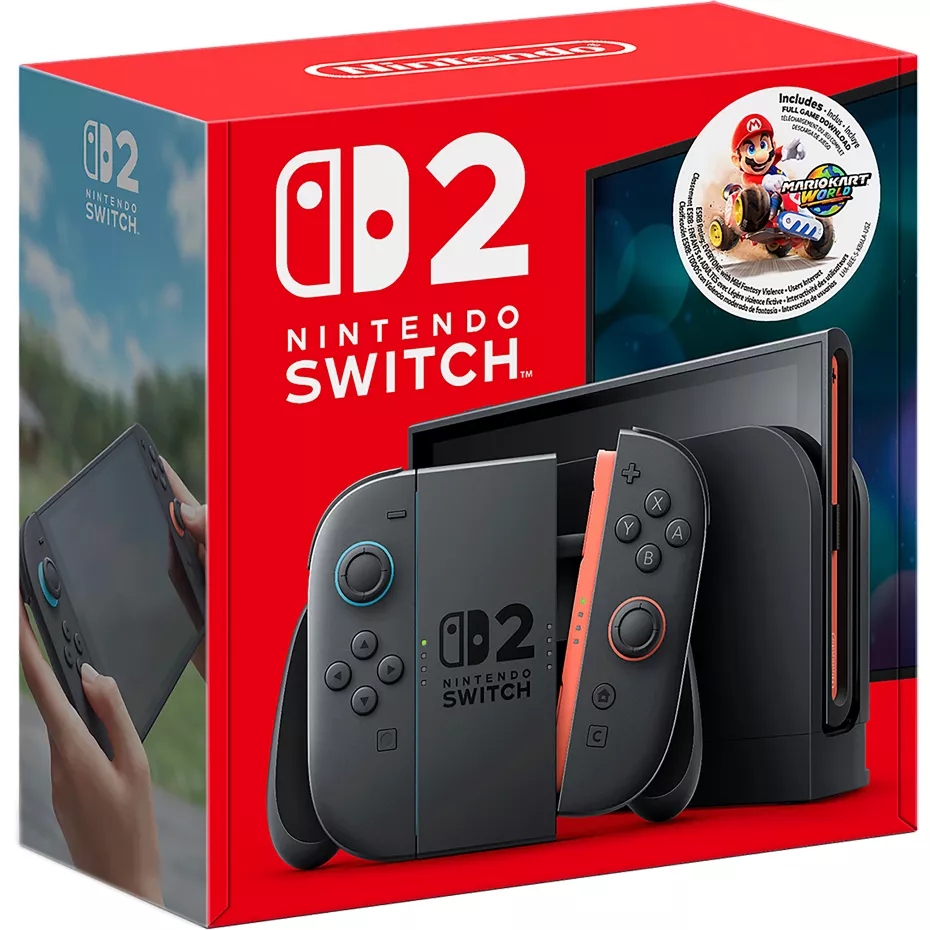
Sony's announcement naturally raises an even bigger question. If one of the world's largest gaming companies believes digital-only releases are the future, how long will it be before other console manufacturers make similar decisions? Both Xbox and Nintendo already support digital purchases alongside physical releases, and digital-only versions of consoles have become increasingly common. At the same time, Nintendo continues to enjoy strong physical game sales, while Microsoft has expanded subscription services like Game Pass without abandoning discs altogether. Neither company has announced plans to eliminate physical media, but Sony's decision may become an important test for the rest of the industry. If digital-only releases prove successful, today's announcement could eventually be remembered as the moment console gaming fully embraced its digital future.
Final Thoughts
Sony's decision to end physical PlayStation game releases beginning in 2028 represents far more than the end of a manufacturing process. It reflects the changing relationship between technology and ownership, convenience and preservation, innovation and tradition. Some gamers will celebrate never having to worry about scratched discs, broken cases, or misplaced games again. Others will miss the excitement of visiting a game store, opening a brand-new case, adding another title to a growing collection, or lending a favorite game to a friend. Neither perspective is wrong because each reflects what gaming has meant to different generations. As the industry continues evolving, the conversation is no longer simply about how we buy games. It has become a conversation about what it truly means to own them. When the final PlayStation game disc rolls off the production line, it will mark the end of one of gaming's most iconic traditions—and the beginning of a new digital chapter whose impact will be felt for years to come.
What do you think? Will you miss buying PlayStation games on disc, or have you already embraced an all-digital library? Share your thoughts in the comments below.