Remember Helping Your Parents With Technology? One Day, That Could Be You.
Every generation believes it understands technology until the next generation changes the rules.
There is a moment that almost everyone experiences, although very few people recognize its importance while it is happening. Your phone rings, and on the other end is one of your parents asking for help because they cannot remember the password to an email account they have used for years, their smartphone suddenly looks different after an overnight software update, or an application they rely on every day no longer works the way it once did. You glance at the screen, tap a few buttons, solve the problem almost instantly, and hand the device back believing you have simply answered another routine technology question. It feels like such an ordinary interaction that most people never think about it again, yet hidden inside that brief conversation is a lesson about technology, time, and human nature. The first time you helped your parents with technology may also have been the first glimpse into your own future. One day a younger generation may patiently explain a device, an application, or an invention that feels completely natural to them but strangely unfamiliar to you. In that moment, you may finally understand that your parents were never falling behind. They were simply living through change.
When Next Generation Became the Teachers
For thousands of years, knowledge naturally flowed from one generation to the next. Parents taught their children how to work, manage money, cook, repair broken things, build careers, and navigate adulthood because experience belonged to those who had already lived through life's challenges. That relationship remained remarkably consistent throughout history until technology quietly introduced something humanity had rarely experienced before. As personal computers entered homes, the internet connected the world, and smartphones became everyday necessities, millions of young adults gradually became the technology experts inside their own families. Sons and daughters explained email, recovered forgotten passwords, connected Wi-Fi networks, installed applications, and introduced their parents to digital tools that simply did not exist when they were growing up. The change happened so gradually that few people stopped to appreciate how unusual it really was. For perhaps the first time in modern history, the next generation became the teachers—not because they were wiser, but because they happened to grow up alongside technologies that older generations encountered much later in life.
Your Parents Were Never Behind
It is easy to laugh when a parent struggles to update a smartphone or cannot remember how to log into an online account, but that laughter often ignores something extraordinary. Someone born in the middle of the twentieth century has witnessed one of the greatest technological transformations in human history. 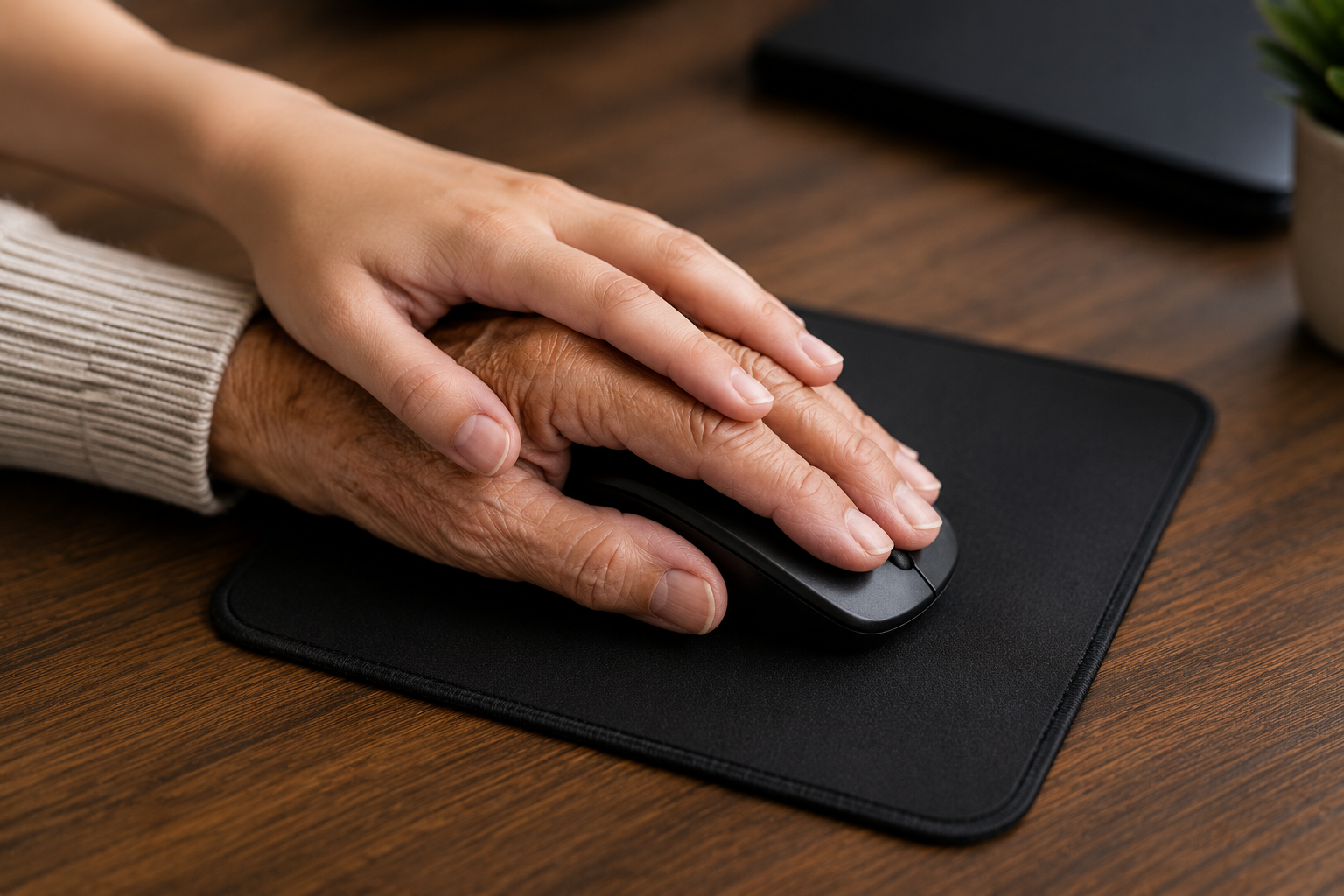 During a single lifetime they watched rotary telephones become smartphones, handwritten letters become instant messages, paper maps become GPS navigation, cassette tapes become streaming music, film cameras become digital photography, and desktop computers become powerful devices carried inside a pocket. Banking became mobile, shopping became digital, healthcare adopted electronic records, and education expanded far beyond classrooms. Every one of those changes required people to abandon familiar routines that had served them well for decades and replace them with entirely new systems. Rather than viewing older generations as people who failed to keep up, it may be more accurate to recognize them as people who successfully adapted to more technological revolutions than almost any generation before them.
Being Good With Technology Is Temporary
People often describe someone as being "good with technology," but that confidence is usually temporary. More often than not, it simply means they are comfortable using the technology of their own generation. Think about how often your favorite applications redesign their interfaces, move important buttons, introduce artificial intelligence, or completely change how familiar features work. Even professionals who spend their careers working with computers occasionally stop and wonder where a setting went after an update. Those moments remind us that expertise has never been permanent because innovation never stands still. Every major breakthrough eventually turns today's experts into tomorrow's beginners.
Artificial Intelligence Is Changing More Than Software
Artificial intelligence represents one of the most significant technological shifts of our lifetime because it is changing far more than the devices people use. Previous inventions generally helped people complete familiar tasks faster, while AI is beginning to reshape how people think, learn, create, communicate, and solve problems. Students increasingly rely on intelligent tutors, businesses automate repetitive work, developers collaborate with AI to write software, and creative professionals generate images, videos, and written content in seconds. Unlike many previous technologies, artificial intelligence continues improving while millions of people are still learning how to use it, creating a world where innovation moves almost as quickly as society can adapt. Artificial intelligence is not the final revolution. It is simply the next chapter in humanity's long history of innovation. Something even more transformative will eventually arrive, asking another generation to learn all over again.
The Conversation Waiting In Your Future
Imagine yourself sitting at the kitchen table twenty or thirty years from now. A device unlike anything you have ever used sits in front of you, and despite watching tutorials, reading instructions, and asking an AI assistant for help, something still refuses to make sense. A young family member notices your frustration, smiles, gently takes the device from your hands, and solves the problem within seconds before casually handing it back. "There you go," they say, without realizing they have just repeated a moment that has quietly unfolded in families for generations. For a brief moment, you are no longer thinking about the technology. You are remembering your parents. You remember every forgotten password, every software update, every phone call asking for help, and every small act of patience that connected two generations trying to understand a rapidly changing world. One day, someone much younger may patiently explain a technology that feels completely natural to them but completely unfamiliar to you. Only then do you realize something that was impossible to see all those years ago.
The Future Belongs To Lifelong Learners
Perhaps that is technology's greatest lesson. Knowledge has always been temporary because innovation never stops, but curiosity has no expiration date. The people who thrive in the future will not necessarily be the youngest, the fastest, or the ones who own the newest devices. The future will belong to the people who never stop learning. The next time your mother asks why her phone suddenly looks different or your father cannot remember how to recover an email account, remember that you are witnessing far more than a technology problem. You are watching one generation adapt to a changing world, just as every generation before it has done and every generation after it will continue to do. One day, someone younger will patiently do the same for you, and when that moment arrives, do not see it as falling behind. See it as joining a tradition that has quietly connected families throughout every technological revolution in modern history.
Final Quote
"The greatest technology skill isn't mastering every new device. It's never losing the curiosity to learn the next one."