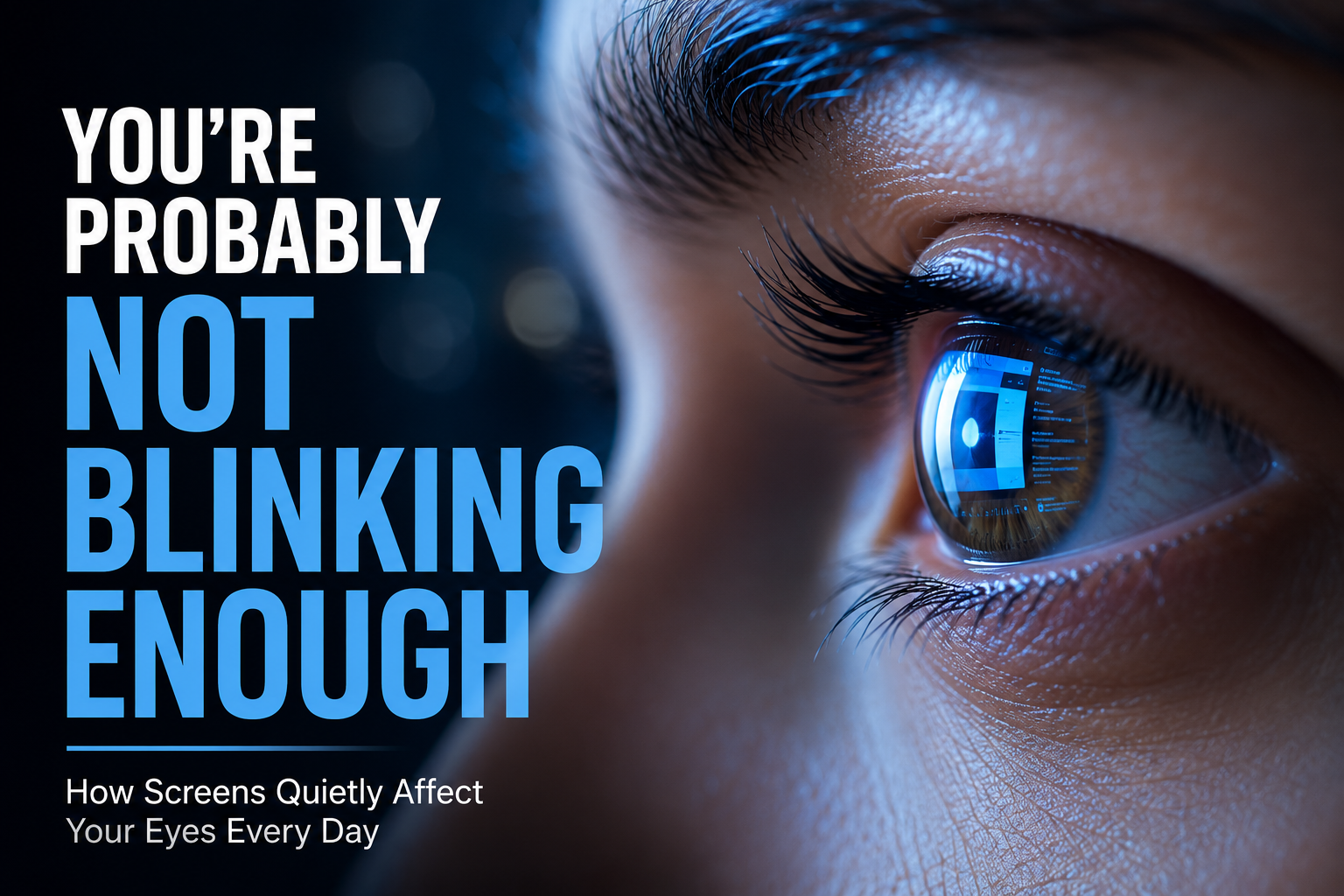
You're Probably Not Blinking Enough: How Screens Quietly Affect Your Eyes Every Day
Your Eyes Are Working Harder Than You Think
Most people think about protecting their passwords, charging their phones, and updating their software. Few stop to think about protecting one of the most important tools they use every day—their eyes. Whether you're answering emails, attending online classes, watching movies, reading articles, scrolling social media, playing video games, or working remotely, your eyes spend countless hours focused on digital screens. Technology has transformed how we communicate, work, and entertain ourselves, but it has also quietly changed one of the body's most natural behaviors. Research has consistently shown that people blink significantly less while using digital screens, making their eyes more vulnerable to dryness, irritation, and fatigue. Because blinking happens automatically, most people never notice this change until discomfort begins to appear. As computers, smartphones, tablets, artificial intelligence, and wearable technology become even more integrated into our daily lives, understanding this simple habit may be one of the easiest ways to improve long-term eye comfort.
From The Movie Theater To The Smartphone
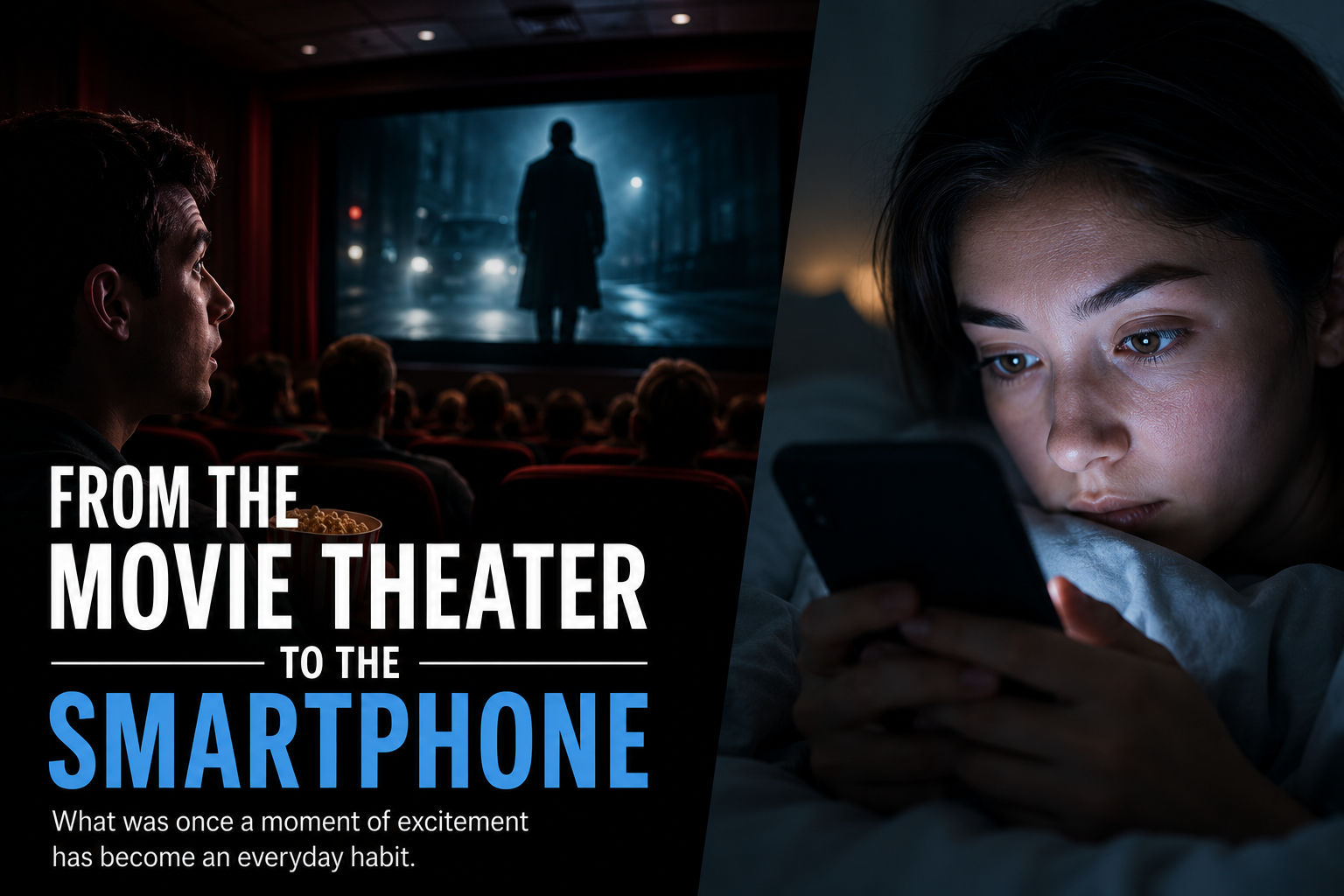
Think about sitting in a movie theater moments before the most suspenseful scene begins. The music grows louder, the audience becomes silent, and your attention is completely locked onto the screen. Your eyes naturally widen as you wait to see what happens next, and during those brief moments you may blink less because your brain doesn't want to miss a single detail. The same thing often happens during the final seconds of a championship game, while reading an exciting novel, or when playing a fast-paced video game. Periods of intense concentration have always been a normal part of the human experience, and temporarily blinking less during those moments is completely natural.
The difference today is that many people experience that same level of visual concentration for hours instead of minutes. Instead of a two-hour movie or a short sporting event, smartphones, computers, tablets, streaming platforms, and social media compete for our attention throughout the entire day. Whether we're answering emails, attending virtual meetings, creating content, reading the news, or simply browsing online, digital technology keeps our eyes focused for much longer than previous generations experienced. What was once a temporary response to excitement has quietly become an everyday habit, and most people don't even realize it is happening.
The Science Behind Every Blink
Blinking may seem insignificant because it happens without conscious thought, but every blink performs an essential function. Each time you blink, your eyelids spread a fresh layer of tears across the surface of your eyes. This thin layer of moisture keeps the eyes lubricated, helps wash away tiny particles, creates a smooth surface for clear vision, and protects the outer layer of the eye from drying out. Without regular blinking, that protective tear film begins to evaporate more quickly, leaving the eyes feeling dry, irritated, or tired.
Researchers have found that under relaxed conditions, most adults blink between fifteen and twenty times every minute. During prolonged computer use, however, that number often drops dramatically, with some studies showing blink rates falling to around five to seven blinks per minute depending on the activity. Your eyes were designed to blink frequently, not remain intensely focused on a screen for hours without interruption. While this reduced blink rate is usually unconscious, it helps explain why so many people experience discomfort after spending long periods using digital devices.
Digital Eye Strain Is More Common Than You Think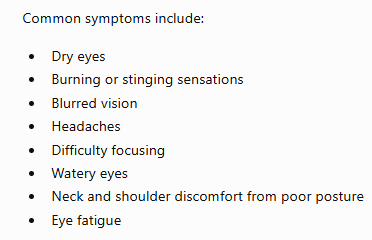
Many people assume tired eyes are simply part of getting older or working long hours, but eye care professionals recognize a condition known as digital eye strain, sometimes referred to as computer vision syndrome. It describes a group of symptoms that may develop after prolonged use of computers, smartphones, tablets, or other digital displays. People often experience dry or watery eyes, burning sensations, temporary blurred vision, headaches, difficulty maintaining focus, or general eye fatigue. In many cases, neck and shoulder discomfort also develop because prolonged screen use frequently affects posture as well as vision.
Digital eye strain is not caused by one single factor. Instead, it is usually the result of several habits working together, including reduced blinking, maintaining close focus for long periods, glare from surrounding lights, poor workstation setup, and spending too much time looking at nearby objects without allowing the eyes to relax. The encouraging news is that these symptoms often improve by making small adjustments to daily routines.
Small Habits Can Make A Big Difference
Fortunately, protecting your eyes does not require expensive equipment or complicated routines. One of the most widely recommended practices from eye care professionals is the 20-20-20 Rule, which encourages people to look at something approximately twenty feet away for at least twenty seconds every twenty minutes of screen use. This brief pause gives the focusing muscles inside the eyes an opportunity to relax after remaining fixed on nearby objects for extended periods.
Simple changes throughout the day can also make a noticeable difference. Positioning your monitor slightly below eye level allows the eyelids to cover more of the eye's surface, helping reduce tear evaporation. Adjusting screen brightness to match the surrounding room, reducing glare from windows, increasing text size instead of leaning toward the monitor, staying hydrated, and consciously allowing yourself to blink naturally can all improve comfort during long workdays. The most effective improvements often come from small habits practiced consistently rather than dramatic changes that are difficult to maintain.
What About Blue Light?
Blue light has received significant attention in recent years, leading many people to believe it is the primary reason their eyes feel tired after using digital devices. While blue light can influence the body's natural sleep cycle by affecting melatonin production when screens are used late at night, current scientific evidence suggests that most digital eye strain is more closely related to prolonged visual concentration, reduced blinking, glare, and workstation ergonomics than blue light itself.
Organizations such as the American Academy of Ophthalmology do not currently recommend blue-light-blocking glasses solely for preventing digital eye strain because available research has not demonstrated a consistent benefit for that purpose. Instead, maintaining healthy viewing habits, taking regular breaks, and remembering to blink naturally remain the recommendations most strongly supported by current evidence.
Our Digital Future Will Only Increase Screen Time
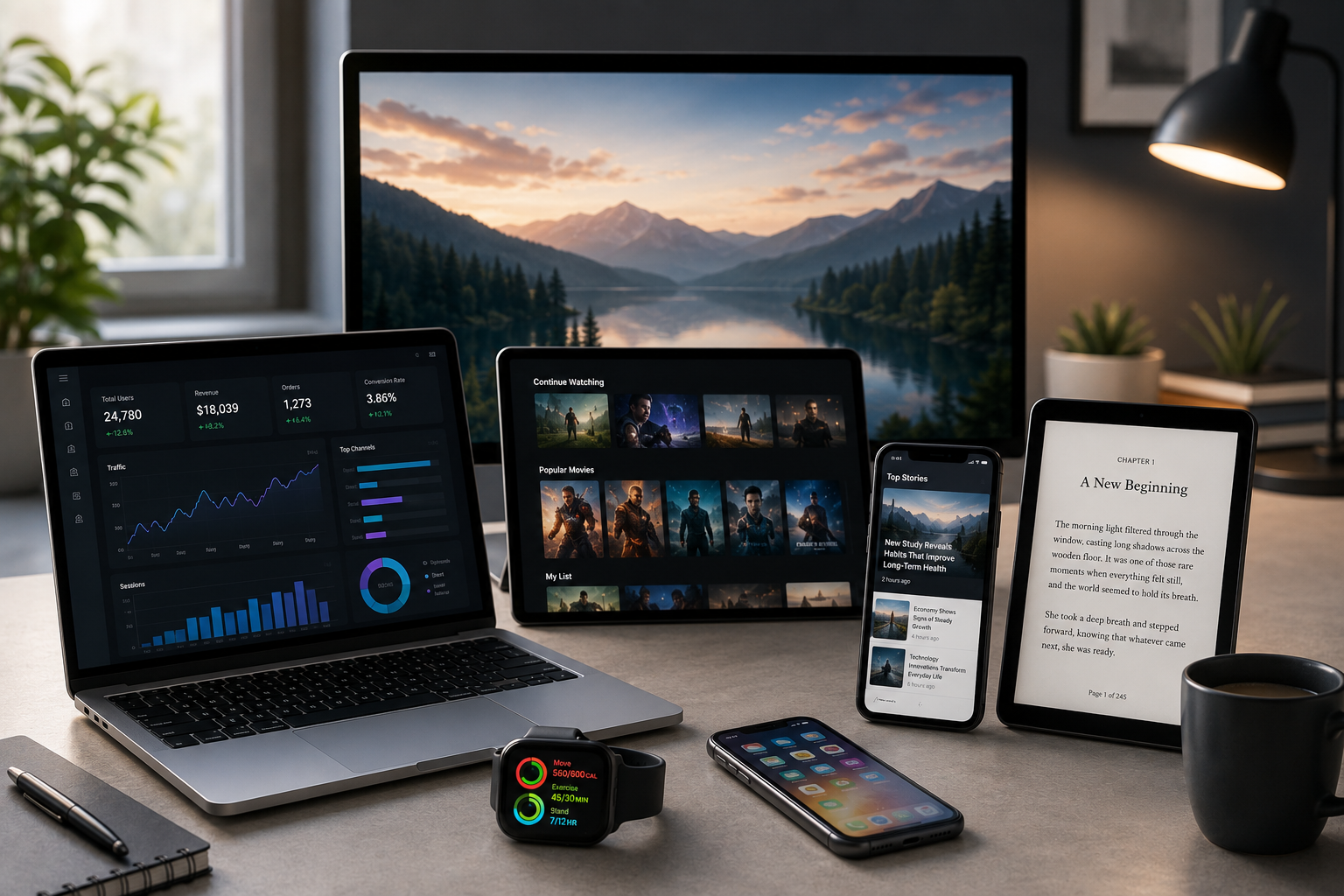
Artificial intelligence, remote work, virtual meetings, smart glasses, augmented reality, virtual reality, and wearable devices are rapidly changing how people interact with technology. Many careers already require employees to spend eight or more hours every day looking at digital displays, while students often complete assignments on laptops before relaxing with streaming services or social media. The future will almost certainly involve more screens rather than fewer, making healthy eye habits increasingly important.
Technology has delivered extraordinary benefits by making communication faster, information more accessible, and businesses more productive. However, every innovation also reminds us that while technology evolves quickly, the human body still has the same biological needs it has always had. Learning to balance productivity with healthy screen habits may become just as important as maintaining good posture, exercising regularly, or getting enough sleep.
If you enjoy exploring how technology quietly shapes everyday life, be sure to read "Remember Helping Your Parents With Technology? One Day, That Could Be You," where we explore how every generation eventually experiences technological change differently. You may also enjoy "The Digital World Has a Physical Backbone: Data Centers and the Future of Modern Life," which looks at the enormous infrastructure quietly powering the connected world we depend on every day.
Sometimes The Smallest Habits Matter Most
Blinking is one of the simplest things the human body does, yet it may also be one of the easiest to overlook. Every email you answer, every article you read, every television show you stream, and every social media post you scroll through asks your eyes to remain focused just a little longer. The more technology captures our attention, the easier it becomes to forget that our eyes are working just as hard as our minds.
The next time you find yourself staring at a screen for hours without realizing how much time has passed, pause for a moment. Look away from the display, focus on something in the distance, and allow yourself to blink naturally. It takes only a few seconds, but those few seconds may help your eyes recover from hours of continuous concentration. In a world where technology is constantly demanding our attention, remembering to blink may be one of the healthiest digital habits we can develop.
Sources: This article is based on guidance and research from the American Academy of Ophthalmology (AAO), the American Optometric Association (AOA), and peer-reviewed research examining blink rate, digital eye strain, and computer vision syndrome.