Apple Brings AI Directly Into the Camera App
The iPhone Just Got Smarter
The iPhone camera is becoming much more than a tool for taking photos.
With Apple's latest Apple Intelligence updates, the camera is evolving into a real-time artificial intelligence assistant capable of identifying objects, understanding environments, editing images, and helping users interact with information in entirely new ways. While many of Apple's announcements during its annual Worldwide Developers Conference focused on software improvements, one update stood out from the rest. Apple is bringing AI directly into the camera experience, signaling a future where smartphones do more than capture the world around us—they help us understand it.
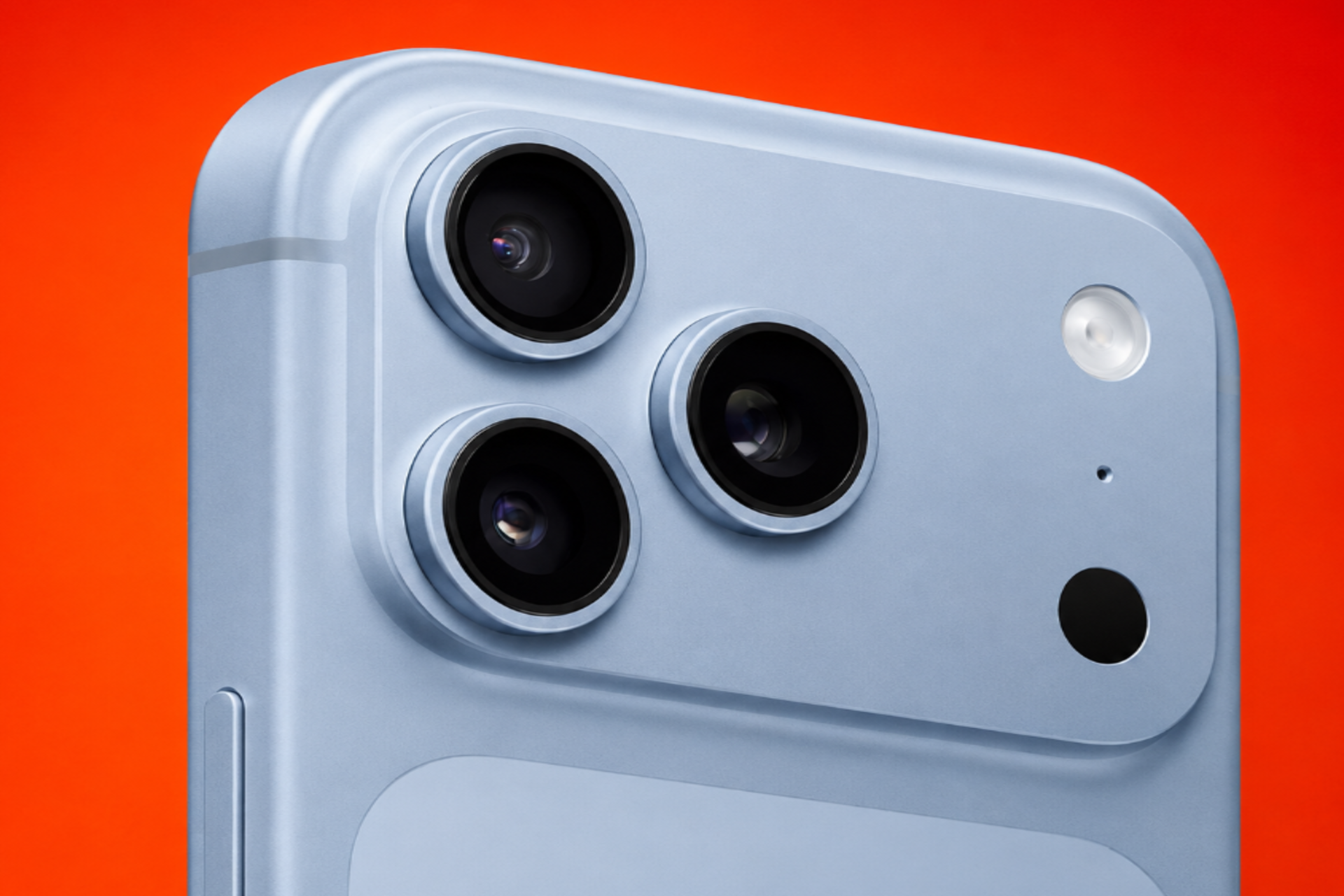
For years, smartphone cameras have been defined by hardware improvements. Manufacturers competed by introducing larger sensors, better lenses, improved stabilization systems, and advanced photography modes. While those innovations remain important, Apple appears to be shifting the focus toward intelligence. The next major leap in smartphone photography may not come from bigger cameras. It may come from smarter software.
The Camera Becomes an AI Gateway
One of the most significant changes announced by Apple is the addition of Siri AI directly within the Camera app. Previously, users needed to access Visual Intelligence through the Camera Control button. Once activated, the feature could analyze what appeared in the camera viewfinder and provide contextual assistance. A concert poster could be added to a calendar. A plant could be identified. A landmark, product, or location could be recognized and explained.
Now Apple is making those capabilities easier to discover and use by integrating them directly into the camera experience itself.
While the update may appear small at first glance, it reflects a much larger strategy. Apple is moving toward a future where the camera becomes a primary interface for artificial intelligence. Instead of typing search queries or navigating through apps, users can simply point their camera at something and ask questions about it. In many ways, the camera is beginning to function as a visual search engine powered by AI.
Visual Intelligence Is Expanding
The idea behind Visual Intelligence is simple but powerful. Rather than describing something through text, users can simply show it to their device. Artificial intelligence then analyzes the scene and provides relevant information, recommendations, or actions.
This represents a major shift in how people interact with technology. Traditional computing often requires typing, searching, and navigating menus. Visual Intelligence removes much of that friction by allowing the real world itself to become the interface.
As these systems continue to improve, future iPhones may become increasingly capable of understanding products, locations, events, documents, landmarks, and everyday objects directly through the camera lens. The result is a more natural and intuitive relationship between users and their devices.
AI-Powered Editing Continues to Evolve
Apple also introduced several Apple Intelligence features designed to enhance photo editing.
Among the most notable additions are Clean Up, Extend, and Spatial Reframe.
Clean Up allows users to remove unwanted objects from photographs while intelligently filling the missing portions of the image. Apple says updated AI foundation models will improve the realism and accuracy of these edits, making the final result appear more natural than ever before.
Extend introduces another layer of creative flexibility. Using generative artificial intelligence, the feature can expand the boundaries of a photograph by creating additional image content beyond the original frame. If a subject appears too close to the edge of an image, Extend can generate surrounding visual information that blends naturally with the existing scene.
For photographers, content creators, and social media users, this creates new opportunities for composition and framing long after a photo has already been captured.
Spatial Reframe Pushes Photography Further
Perhaps one of the most intriguing additions is Spatial Reframe.
The feature allows users to adjust the perspective of a photograph after it has been taken. By shifting the image viewpoint, Apple Intelligence can generate new visual information to fill areas that were not originally visible within the frame.
While the adjustments may be subtle, the technology highlights how artificial intelligence is increasingly blurring the line between photography and image generation. The camera captures reality, while AI expands creative possibilities beyond what was originally visible.
This represents a significant shift in how people think about photography. Instead of simply capturing a moment, users are gaining tools that allow them to reshape and refine that moment in entirely new ways.
A Bigger Vision Beyond the iPhone
The significance of these updates extends beyond photography.
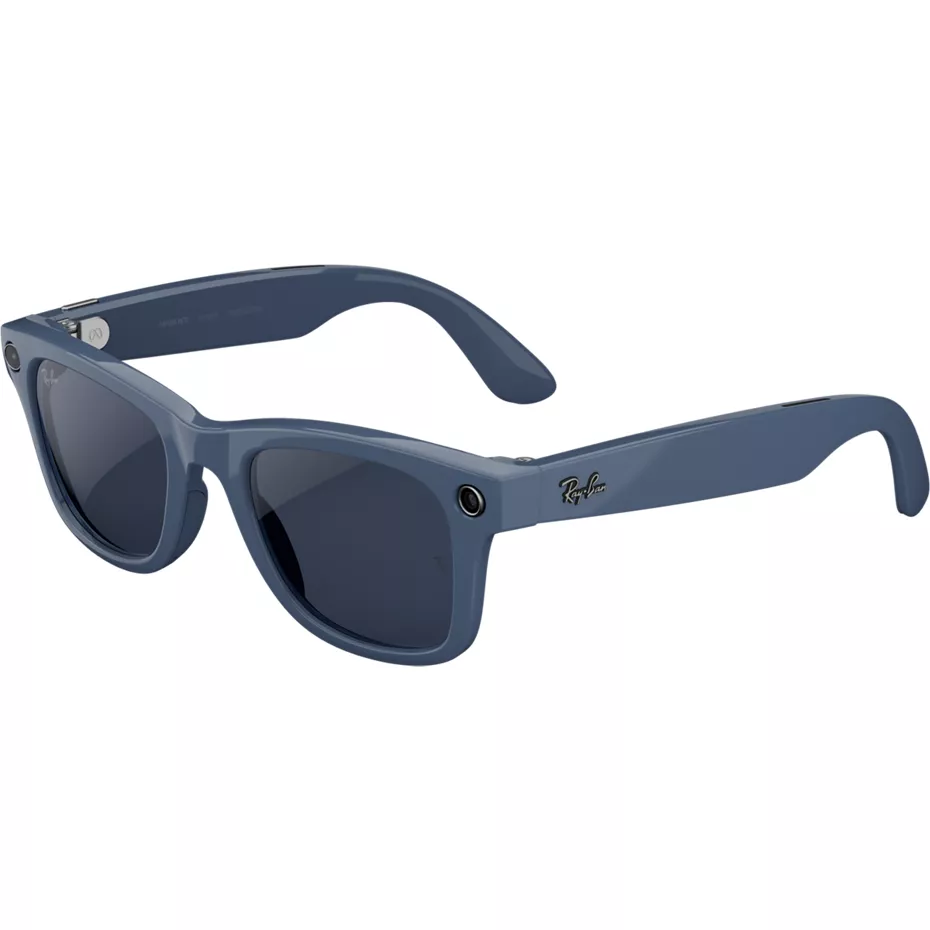
Visual Intelligence is becoming one of the foundational technologies behind the next generation of consumer devices. Smart glasses, wearable cameras, AI assistants, and mixed-reality experiences all depend on systems capable of understanding the world visually.
Reports continue to suggest Apple is exploring future products that could include smart glasses and camera-equipped wearables. If those products eventually arrive, the technologies debuting inside the iPhone today may serve as the foundation for entirely new categories of intelligent devices tomorrow.
The camera is becoming more than a camera. It is becoming a sensor for artificial intelligence, capable of collecting information from the world and transforming it into useful insights, recommendations, and actions.
The Future of Everyday Computing
The most important takeaway from Apple's latest announcements may not be any individual feature. Instead, it is the direction those features collectively point toward.
Artificial intelligence is moving closer to the center of the user experience. Rather than existing as a separate application or standalone tool, AI is increasingly becoming part of how people interact with their devices throughout the day. The camera is one of the clearest examples of that transformation.
Every photo, object, location, event, and environment can potentially become information that artificial intelligence understands and acts upon. As Apple Intelligence continues expanding across the iPhone ecosystem, users may discover that the biggest change is not how their cameras capture images. It is how their cameras help them understand the world around them.
The future of the iPhone may not be defined by better hardware alone. It may be defined by how intelligently that hardware interprets reality itself.
Explore the Device

Continue Exploring PictureThisInk®
Interested in how artificial intelligence is reshaping technology and business? Read OpenAI, Anthropic, and SpaceX: Could the Biggest IPO Wave in History Be Coming? to explore how some of the world's most influential technology companies could impact the future of public markets, innovation, and investment.
Looking for more future-focused technology coverage? Follow The Digital Shift Weekly for ongoing reporting and analysis covering artificial intelligence, consumer technology, cybersecurity, innovation, digital culture, and emerging trends shaping tomorrow.
Have a story tip, product launch, company announcement, partnership opportunity, press release, or newsworthy development? The PictureThisInk® editorial team welcomes submissions from startups, businesses, creators, entrepreneurs, public relations professionals, and readers.