Connected Living: The Smart Home Devices Defining 2026
────────────────────────────────────────
A decade ago, controlling lights with a smartphone felt futuristic. Today, homeowners can monitor security cameras from across the world, adjust household temperatures remotely, communicate through video doorbells, automate daily routines, and manage entire home ecosystems through connected devices powered by artificial intelligence. What once seemed like science fiction has quietly become part of everyday life.
The smart home is no longer a concept reserved for technology enthusiasts. Connected devices have become more accessible, more intelligent, and more integrated into the way people live, work, and interact with their surroundings. From climate control and security to entertainment and energy management, smart home technology is helping redefine the modern household.
In 2026, the smartest homes are not necessarily the homes with the most devices. Instead, they are the homes where technology works seamlessly in the background, improving convenience, efficiency, comfort, and security without requiring constant attention. The goal of modern connected living is not simply to add more technology. The goal is to create an environment that feels intuitive, responsive, and personalized.
────────────────────────────────────────
Smart Speakers Continue to Anchor the Connected Home
Voice assistants remain one of the most popular entry points into smart home technology. Modern smart speakers function as centralized control hubs capable of managing lighting systems, security devices, entertainment platforms, and connected appliances throughout the home. Advances in artificial intelligence have made interactions more natural and intuitive, allowing users to control multiple systems using simple voice commands.
As smart home ecosystems continue to expand, voice-powered assistants remain at the center of connected living. Whether managing daily schedules, controlling household routines, providing weather updates, or coordinating smart devices, these systems have become a cornerstone of the modern connected home.
────────────────────────────────────────
Home Security Becomes Smarter
Security remains one of the primary reasons consumers invest in smart home technology. Today's connected cameras provide real-time monitoring, intelligent motion detection, cloud storage, remote access, and instant notifications. Rather than simply recording activity, modern security systems help homeowners remain informed and aware regardless of their location.
The rapid evolution of artificial intelligence has also transformed the capabilities of connected security systems. Advanced recognition technologies can distinguish between people, vehicles, pets, and routine activity, reducing false alerts while improving overall awareness. For many households, smart security solutions have become an essential layer of protection that combines convenience with peace of mind.
Featured Smart Home Technology
One example of how connected security continues to evolve is the eufy Security eufyCam S3 Pro Wireless Outdoor Home Security System. Designed for modern homeowners, advanced security platforms combine intelligent monitoring, remote access, and real-time alerts to help users stay connected to their property from virtually anywhere.
────────────────────────────────────────
Featured Product:
eufy Security eufyCam S3 Pro Wireless Outdoor Home Security System
→ Explore the eufy Security eufyCam S3 Pro Wireless Outdoor Home Security System
────────────────────────────────────────
Video Doorbells Are Becoming Household Essentials
The growth of online shopping and home deliveries has transformed video doorbells into one of the most practical smart home investments available. These devices allow homeowners to view visitors, communicate remotely, monitor package deliveries, and receive alerts whenever activity occurs near entry points.
Products such as the Google Nest Doorbell help homeowners stay connected to their front door whether they are at home, at work, or traveling. Real-time notifications, visitor monitoring, and remote communication capabilities have helped make smart doorbells one of the fastest-growing segments within the connected home industry.
The ability to see and respond to activity from virtually anywhere represents the type of convenience that continues to drive smart home adoption worldwide.
────────────────────────────────────────
Featured Product:
Google Nest Doorbell (Wired, 3rd Gen)
→ Explore the Google Nest Doorbell (Wired, 3rd Gen)
────────────────────────────────────────
Smart Thermostats Improve Comfort and Efficiency
Energy efficiency continues to be a major focus for homeowners seeking smarter ways to manage household expenses. Modern smart thermostats utilize automation and learning capabilities to adjust temperatures based on household habits, occupancy patterns, and environmental conditions.
Unlike traditional systems that rely on manual adjustments, intelligent climate controls can adapt to user behavior and optimize performance throughout the day. The result is a home that remains comfortable while reducing unnecessary energy consumption and supporting long-term efficiency goals.
Featured Smart Home Technology
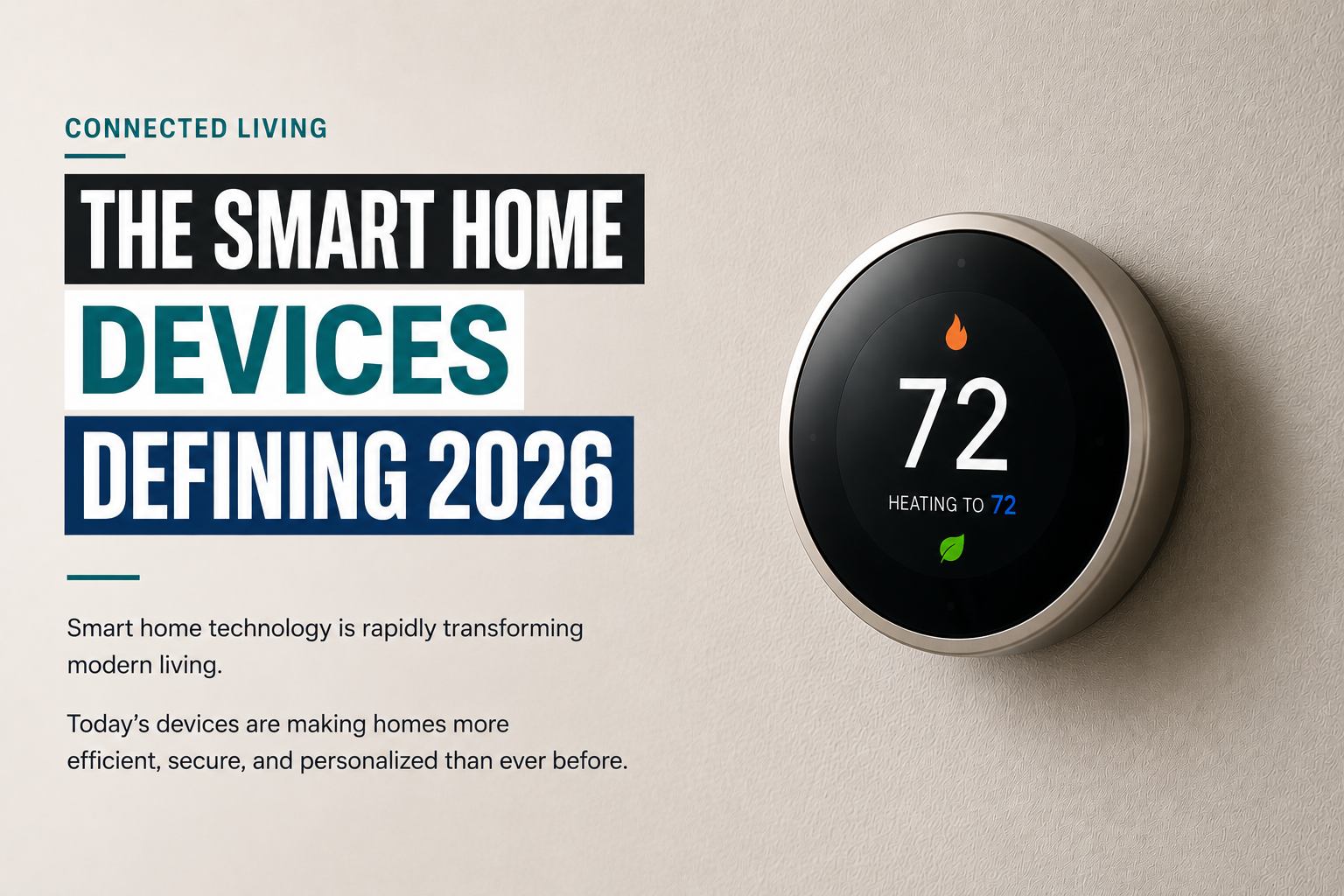
One of the most recognized products in the smart home market is the Google Learning Thermostat (4th Gen). Designed to bring intelligence and automation to household climate control, the device learns temperature preferences over time and can automatically adjust settings based on daily routines.
As connected living continues to evolve, products such as the Google Learning Thermostat represent the growing role of artificial intelligence within everyday household technology. Rather than requiring constant manual adjustments, modern smart thermostats are designed to work quietly in the background, optimizing comfort, convenience, and efficiency throughout the home.
────────────────────────────────────────
Featured Product:
Google Learning Thermostat (4th Gen)
→ Explore the Google Learning Thermostat (4th Gen)
────────────────────────────────────────
The Future of Connected Living
The next generation of smart homes will be defined by intelligence rather than connectivity alone. Artificial intelligence is expected to play an increasingly important role in managing connected devices, learning user preferences, and coordinating entire home ecosystems. Instead of simply responding to commands, future smart homes will proactively adapt to routines, behaviors, and changing environmental conditions.
The goal is not more technology. The goal is technology that works so seamlessly it becomes nearly invisible. As connected devices continue to evolve, homeowners can expect smarter automation, improved energy efficiency, enhanced security, and more personalized living experiences than ever before.
────────────────────────────────────────
Final Thoughts
Smart home technology continues to reshape modern living through automation, intelligence, and connectivity. From intelligent climate control and advanced security systems to smart doorbells and connected home ecosystems, today's devices are helping create homes that are more efficient, secure, and personalized than ever before.
As innovation continues to accelerate, the connected home is no longer a glimpse of the future. It is rapidly becoming the new standard.
────────────────────────────────────────
Continue Exploring PictureThisInk®
Technology Coverage
https://www.picturethisink.com/article
Contact Our Editorial Team
https://www.picturethisink.com/contact
PictureThisInk® Home
https://www.picturethisink.com
────────────────────────────────────────
About PictureThisInk®
PictureThisInk® is an independent digital media publication covering technology, artificial intelligence, cybersecurity, innovation, consumer technology, digital culture, and emerging trends. Through original reporting, product features, industry insights, and editorial analysis, PictureThisInk® explores the ideas, technologies, and innovations shaping the future of modern life.