Why “Imperfect by Design” Is One of 2026’s Biggest Design Trends
Published by PictureThisInk · Powered by MisherTech
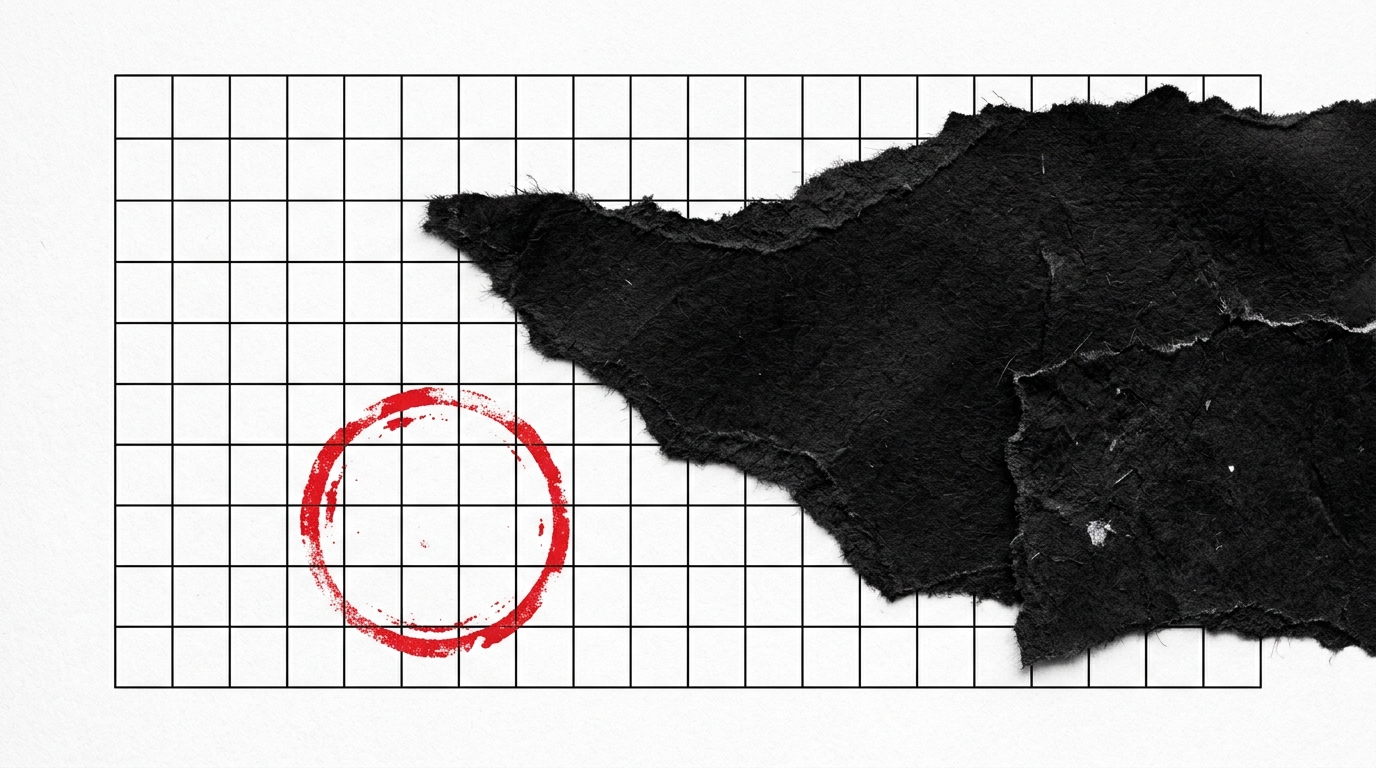
In a world flooded with AI-generated perfection, the most radical thing a designer can do is leave a visible human mark.
Canva’s 2026 Trend Forecast.
When Canva released its 2026 Design Trends Report in December 2025, it introduced 'Imperfect by Design' as a creative direction centered on work that feels personal, tactile, expressive, and less overly polished. The report draws on design and search activity across Canva, expert input from the company's Designer Advisory Board, and a survey of 1,000 creators across the US and Brazil. As Business Wire reported, Canva found growing interest in styles that combine technology with more personal forms of visual expression. DIY and collage-inspired searches rose 90%, while lo-fi aesthetic searches increased by 527%. Eighty percent of surveyed creators said 2026 is the year they want to reclaim creative control. These are Canva platform signals, not proof of one universal design standard, but they suggest growing interest in work that feels less uniform and more personal.
The Anti-AI Crafting Movement
One interpretation of this shift has a name in professional design circles. As Creative Bloq reported, Graham Sykes, global executive creative director at Landor, calls it "Anti-AI Crafting" — a move toward handmade, tactile, and visibly imperfect design choices in response to increasingly polished digital imagery. The point is not that designers are rejecting AI tools altogether. Many are combining AI with collage, analog photography, natural texture, expressive typography, and hand-drawn marks. Visible imperfection can give a design a stronger sense of authorship when much of the digital world is fast, clean, and visually similar.
What the Numbers Really Signal
The platform data points to several connected aesthetic directions gaining attention. Searches for zine- and Substack-inspired editorial layouts climbed 85% on Canva, reflecting interest in lo-fi, independent-publication aesthetics in brand and social content. Tactile surfaces, scrapbook composition, asymmetrical layouts, and expressive typography all fit within that broader visual language. Clean, serif-led layouts and simple branding — what Canva calls the "Opt-Out Era" — also point toward a preference for reduced visual noise. These trends do not mean every brand is moving in the same direction, but they show designers exploring stronger contrast between polished digital systems and work that feels quieter, more textured, or more visibly made.
Heritage, Warmth, and the Folk Revival
Beyond the anti-AI impulse, several 2026 design forecasts are also reaching back into history for visual warmth. As VistaPrint's trend forecast describes, "Elemental Folk" draws on folk art, regional craft traditions, floral motifs, and expressive pattern-making to create compositions that feel simultaneously old-world and contemporary. The Milan Art Institute similarly identifies a Baroque and medieval revival in its 2026 art forecast, with jewel tones, ornate framing, and richly layered surfaces appearing in contemporary creative work. These forecasts are trend commentary rather than a measure of the entire market, but together they show why history, craft, and texture are appearing more often in conversations about visual culture.
What Designers Should Do Right Now
For working designers, brand teams, and independent creators, the practical takeaway is not to make every project look imperfect. It is to make deliberate choices about what gives a project character. Leaning into hand-drawn elements, scrapbook compositions, and visible craft marks can be a strategic differentiator when those choices support the message rather than becoming decoration for its own sake. Motion, flexible typography, and texture can also add personality when they are used with intention. A logo does not need animation simply because animation is available, and a collage does not need to be messy to feel human. Typography can move beyond rigid grids, with expressive letterforms and unusual details adding tension and character to visual identities across sectors.
The most honest reading of 2026's design moment is this: major trend forecasters are seeing greater interest in work that feels personal, textured, and emotionally expressive. The designers who stand out will not be the ones with the most powerful AI prompts — they will be the ones with the clearest point of view.
Comments
No approved comments yet. Be the first.